A Midsummer Night’s Dream, the seasons alter
You are typing on the on-screen keyboard. Tap the text to open it and begin.
Caps Lock is on. Every letter comes out capital, so the test counts it as a mistake.
Or simply start typing.
- Time so far
- 0
- Words per minute
- 0
- Accuracy
- 100%
Done. The text and your result
0 % of characters hit
Where you slip most often
Darker keys collected more mistakes in this run.
What slowed you down
The characters your finger missed most often.
Your recent results
Words per minute across your recent runs in this language.
What to type next
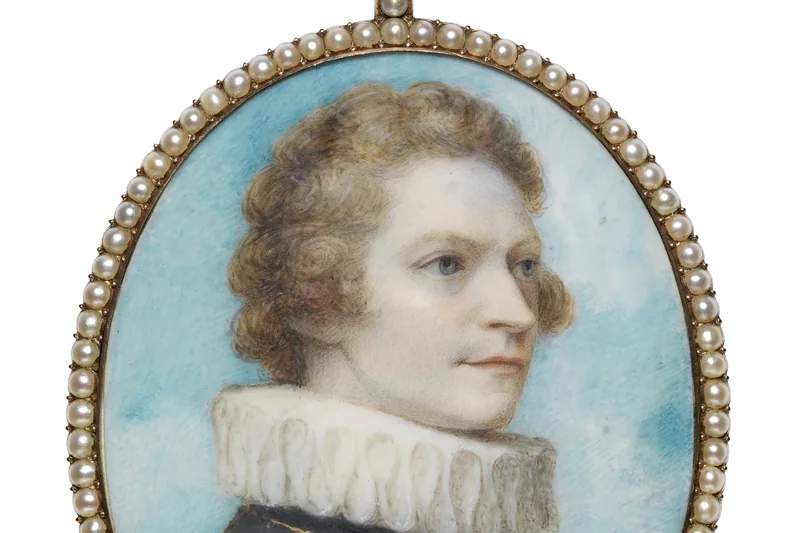 PoetrySonnet 33, full many a glorious morningWilliam Shakespeare, published 1609A sunrise gilds the mountain tops and the pale streams, and then the clouds ride over its face.medium338 characters
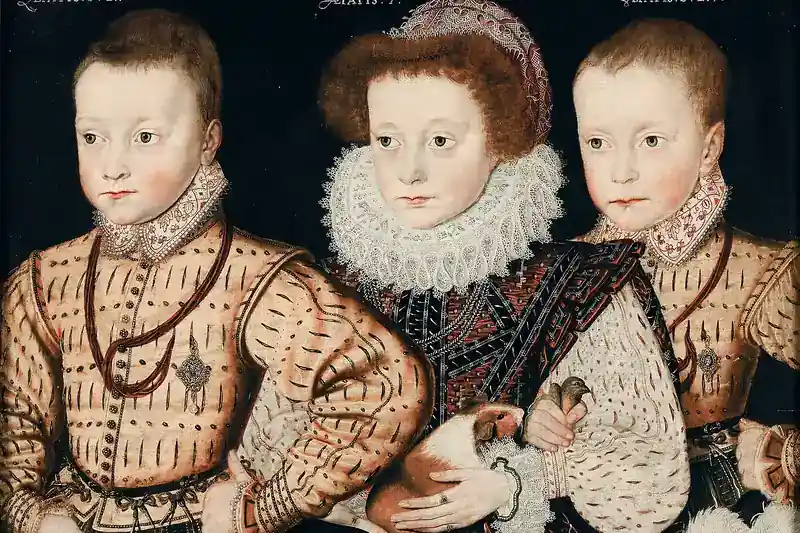 DramaAs You Like It, all the world’s a stageWilliam Shakespeare, published 1599Jaques calls the world a stage and gets as far as the infant, the schoolboy, and the lover.medium447 characters
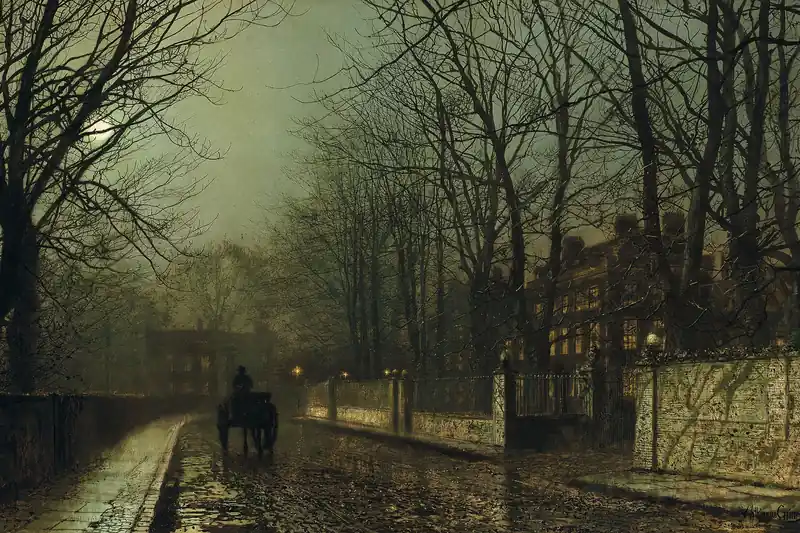 ProseLittle Women, the gray dawn of ChristmasLouisa May Alcott, published 1868Jo wakes early on Christmas morning and finds the gift her mother promised.easy363 characters
Titania speaks these lines in the second act of A Midsummer Night’s Dream, printed in quarto in 1600. Hiems, named in the speech, is Latin for winter. The name stands there as a figure for the season. The passage is often read as an echo of the cold wet summers England had in the middle of the 1590s. Project Gutenberg carries the complete works.
Where this text comes fromThe speech blames the weather on an argument. Two fairies have quarrelled, and the consequence is that the seasons have swapped places, with frost in summer flowers and heat where cold should be. It is a large claim to make in a comedy and the writing takes it seriously, piling up disordered images without a joke anywhere in them. The Latin name for winter is used as a figure rather than translated, which was normal for an educated audience in the 1590s.
What you might not noticeThe word distemperature carries fourteen letters and means a disturbance of the proper balance, a medical term of the period applied here to the weather rather than to a body. Source
What it trainsNine commas and three semicolons in 491 characters, with the semicolons separating whole images rather than clauses, so each one is a full stop that has decided not to be. Fourteen capitals, eleven of them opening a verse line rather than a sentence. Two words carry the weight: distemperature at fourteen letters and the hyphenated hoary-headed, and both arrive in the first two lines before any rhythm is established. Three sentences average twenty-eight words.
From our blogHow to Learn Touch Typing Without Bad Habits
Public domain status: published in 1600, more than 125 years ago. public domain, Project Gutenberg
More texts in this category
DramaAs You Like It, all the world’s a stageWilliam Shakespeare, published 1599Jaques calls the world a stage and gets as far as the infant, the schoolboy, and the lover.medium447 characters
DramaA Midsummer Night’s Dream, a bank of wild thymeWilliam Shakespeare, published 1600Oberon describes the bank of wild thyme where Titania sleeps, and the charm he plans there.hard437 characters
DramaThe Tempest, our revels now are endedWilliam Shakespeare, published 1611Prospero says the show is over and compares it to the world itself.hard454 characters
 DramaThe Importance of Being Earnest, on the homeOscar Wilde, published 1895Gwendolen explains, with a straight face, why the home is the proper sphere for a man.easy333 characters