As You Like It, all the world’s a stage
You are typing on the on-screen keyboard. Tap the text to open it and begin.
Caps Lock is on. Every letter comes out capital, so the test counts it as a mistake.
Or simply start typing.
- Time so far
- 0
- Words per minute
- 0
- Accuracy
- 100%
Done. The text and your result
0 % of characters hit
Where you slip most often
Darker keys collected more mistakes in this run.
What slowed you down
The characters your finger missed most often.
Your recent results
Words per minute across your recent runs in this language.
What to type next
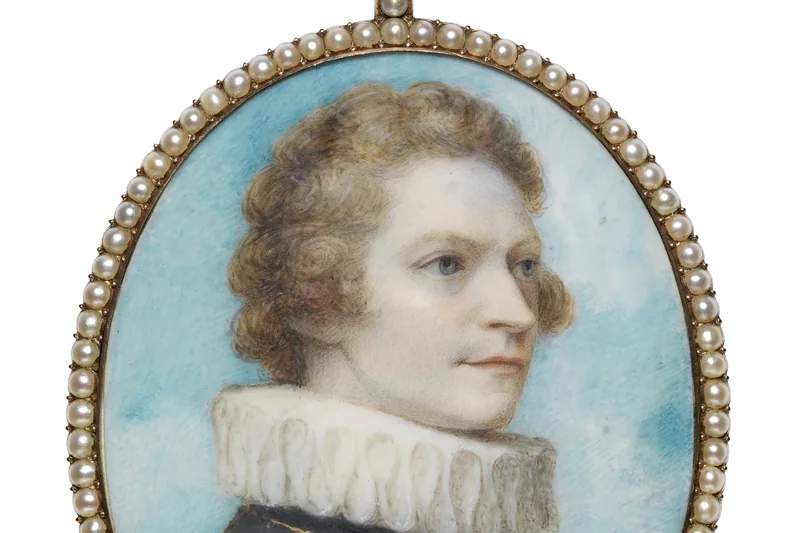 PoetrySonnet 33, full many a glorious morningWilliam Shakespeare, published 1609A sunrise gilds the mountain tops and the pale streams, and then the clouds ride over its face.medium338 characters
DramaA Midsummer Night’s Dream, a bank of wild thymeWilliam Shakespeare, published 1600Oberon describes the bank of wild thyme where Titania sleeps, and the charm he plans there.hard437 characters
PoetrySonnet 33, full many a glorious morningWilliam Shakespeare, published 1609A sunrise gilds the mountain tops and the pale streams, and then the clouds ride over its face.medium338 characters
DramaA Midsummer Night’s Dream, a bank of wild thymeWilliam Shakespeare, published 1600Oberon describes the bank of wild thyme where Titania sleeps, and the charm he plans there.hard437 characters
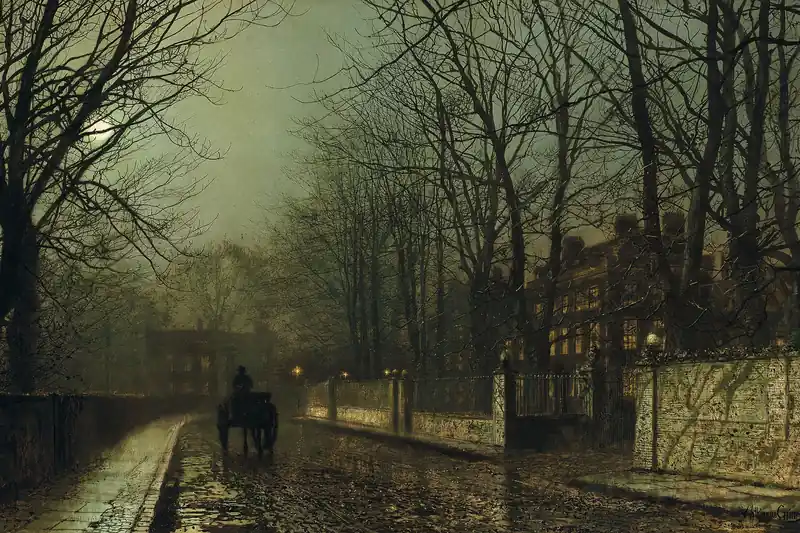 ProseLittle Women, the gray dawn of ChristmasLouisa May Alcott, published 1868Jo wakes early on Christmas morning and finds the gift her mother promised.easy363 characters
This speech belongs to Jaques in As You Like It, a comedy written about 1599. The play was first printed in the collected Folio of 1623. The image of the world as a stage was already a common saying, and Shakespeare turned it into seven scenes. Project Gutenberg carries the complete plays.
Where this text comes fromThis is a set piece, delivered by a character who enjoys the sound of his own melancholy, and every listener on stage knows it. The image of life as a play was a commonplace long before 1599; what Shakespeare adds is the arithmetic, dividing it into seven and then walking through them in order. The version you copy comes from the collected Folio printed seven years after his death, which is the only source for this play and sets the speech as continuous lines.
What you might not noticeThree apostrophes appear in this short passage, and all three mark a possessive rather than an elision: world’s, nurse’s and the bare one after mistress. Source
What it trainsEight commas, two semicolons and three apostrophes in 447 characters, with three sentences averaging twenty-six words. The apostrophes are the awkward part because two of them sit inside a word, in world’s and nurse’s, while the third closes mistress with nothing after it. Thirteen capitals, ten of them opening a verse line rather than a sentence, so the little finger fires on the line break and not on the full stop. The longest word, Unwillingly, is eleven letters and carries a capital as well, so it needs the Shift and then ten letters typed without a pattern to lean on.
From our blogHow to Learn Touch Typing Without Bad Habits
Public domain status: published in 1599, more than 125 years ago. public domain, Project Gutenberg
More texts in this category
DramaA Midsummer Night’s Dream, a bank of wild thymeWilliam Shakespeare, published 1600Oberon describes the bank of wild thyme where Titania sleeps, and the charm he plans there.hard437 characters
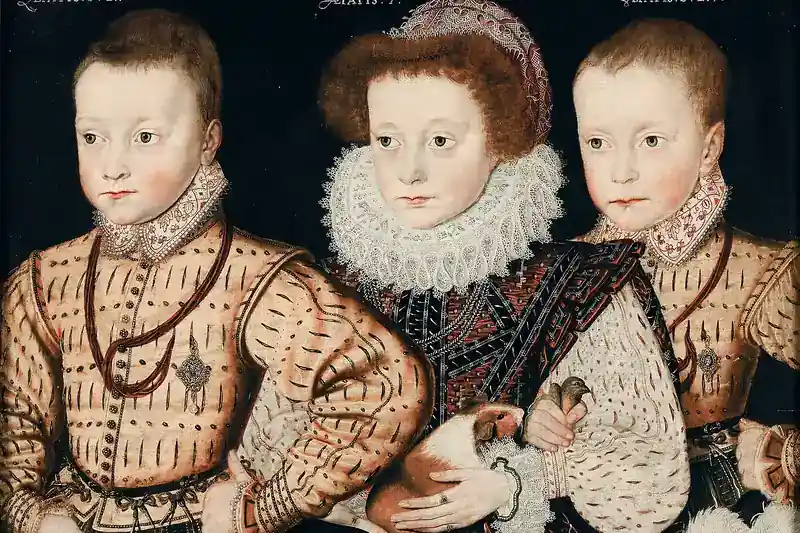 DramaA Midsummer Night’s Dream, the seasons alterWilliam Shakespeare, published 1600Titania describes a year in which frost falls on roses and the seasons trade places.hard491 characters
DramaThe Tempest, our revels now are endedWilliam Shakespeare, published 1611Prospero says the show is over and compares it to the world itself.hard454 characters
DramaA Midsummer Night’s Dream, the seasons alterWilliam Shakespeare, published 1600Titania describes a year in which frost falls on roses and the seasons trade places.hard491 characters
DramaThe Tempest, our revels now are endedWilliam Shakespeare, published 1611Prospero says the show is over and compares it to the world itself.hard454 characters
 DramaThe Importance of Being Earnest, on the homeOscar Wilde, published 1895Gwendolen explains, with a straight face, why the home is the proper sphere for a man.easy333 characters