The Tale of Peter Rabbit: the old mouse
You are typing on the on-screen keyboard. Tap the text to open it and begin.
Caps Lock is on. Every letter comes out capital, so the test counts it as a mistake.
Or simply start typing.
- Time so far
- 0
- Words per minute
- 0
- Accuracy
- 100%
Done. The text and your result
0 % of characters hit
Where you slip most often
Darker keys collected more mistakes in this run.
What slowed you down
The characters your finger missed most often.
Your recent results
Words per minute across your recent runs in this language.
What to type next
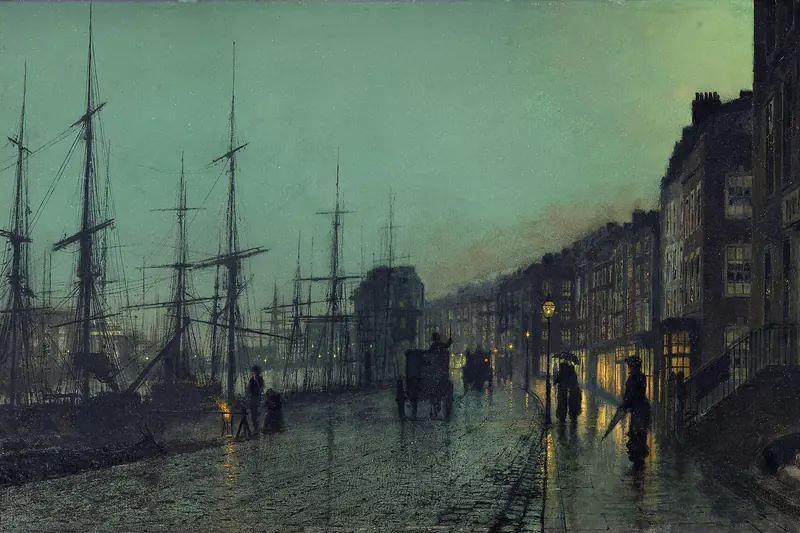 Fables and talesThe Fox and the GrapesAesop, published 1867A famished fox tries every trick to reach the grapes, then calls them sour.medium303 characters
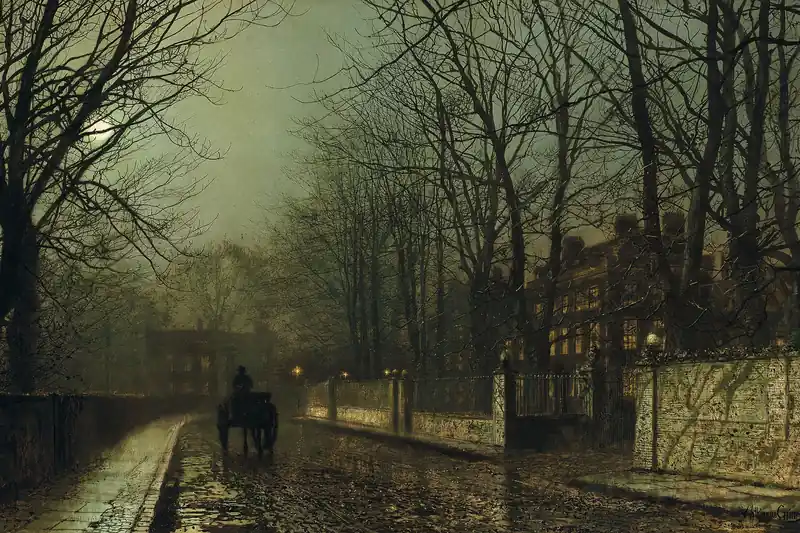 ProseLittle Women, the gray dawn of ChristmasLouisa May Alcott, published 1868Jo wakes early on Christmas morning and finds the gift her mother promised.easy363 characters
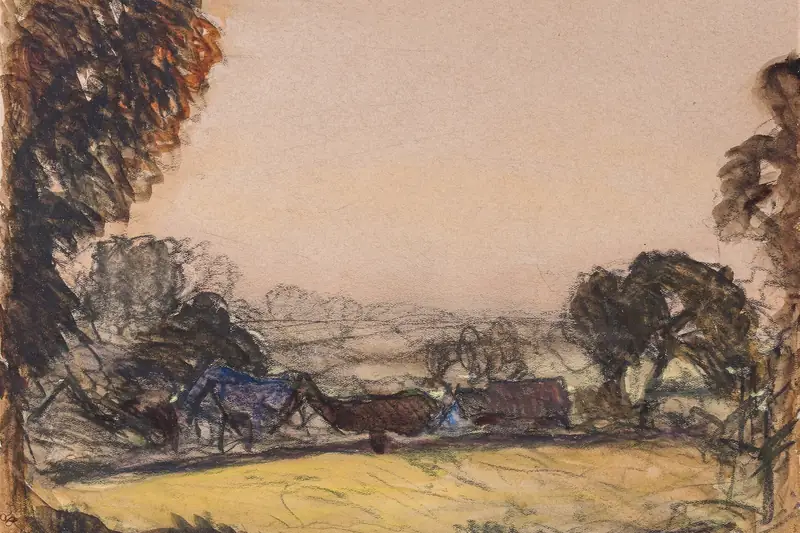
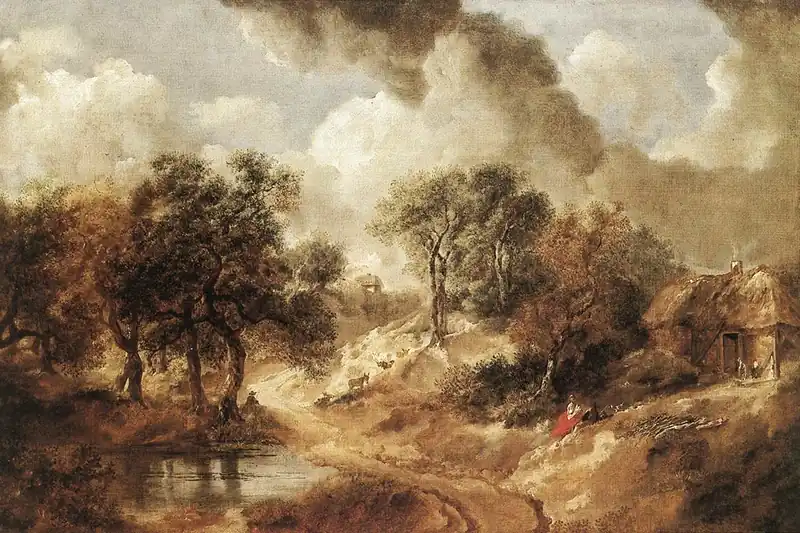 ProseEmma, the view from Donwell AbbeyJane Austen, published 1815A summer view of English fields and gardens from the grounds of Donwell Abbey.hard340 characters
Beatrix Potter first told this story in 1893, in an illustrated letter to Noel Moore, the young son of a friend. Every publisher turned the first version down. Potter printed two hundred fifty copies at her own cost in 1901. Frederick Warne brought the book out the next year, and it has stayed in print ever since. Potter spent the money from her books on farms in the Lake District, which she later left to the National Trust.
Where this text comes fromThe sentences here are short because the book was made for a child who could not yet read much. Potter tested the story on a real audience before it was ever a book: it began as a letter written to a particular boy, and the phrasing keeps that directness, naming what the mouse is doing and what it is carrying without any decoration at all. Publishers turned the manuscript down and she printed it herself before anyone would take it.
What you might not noticeTwo hundred and fifty copies were printed at the author’s own expense after every publisher she approached said no. The commercial edition followed a year later and has never been out of print since. Source
What it trainsFour sentences averaging fourteen words, two commas and four full stops: that is the entire punctuation of this passage. No semicolons, no quotation marks, no hyphens, no apostrophes, no digits. Four capitals and not one inside a sentence. Nothing here exceeds eight letters. It is among the simplest texts available on this site, which makes it the right one to start on if you have never taken a typing test before, and a good baseline to return to later.
From our blogHow to Learn Touch Typing Without Bad Habits
Public domain status: the author died in 1943, so copyright has expired. public domain, Project Gutenberg
More texts in this category
Fables and talesThe Fox and the GrapesAesop, published 1867A famished fox tries every trick to reach the grapes, then calls them sour.medium303 characters
Fables and talesThe Hare and the TortoiseAesop, published 1867The hare mocks the tortoise, agrees to a race, and the tortoise keeps a steady pace.easy488 characters
 Fables and talesThe Milkmaid and Her PailAesop, published 1867The milkmaid counts eggs, chickens, a gown, and suitors before she has any of them.easy492 characters
Fables and talesThe North Wind and the SunAesop, published 1867The wind and the sun compete over a traveler’s cloak, and warmth wins.easy468 characters
Fables and talesAlice in Wonderland: down the rabbit holeLewis Carroll, published 1865Alice follows the rabbit into its hole and finds herself falling down a very deep well.easy329 characters
Fables and talesAlice in Wonderland: the little doorLewis Carroll, published 1865Alice finds a low curtain, a little door behind it, and a key that fits at last.easy230 characters
Fables and talesThe Milkmaid and Her PailAesop, published 1867The milkmaid counts eggs, chickens, a gown, and suitors before she has any of them.easy492 characters
Fables and talesThe North Wind and the SunAesop, published 1867The wind and the sun compete over a traveler’s cloak, and warmth wins.easy468 characters
Fables and talesAlice in Wonderland: down the rabbit holeLewis Carroll, published 1865Alice follows the rabbit into its hole and finds herself falling down a very deep well.easy329 characters
Fables and talesAlice in Wonderland: the little doorLewis Carroll, published 1865Alice finds a low curtain, a little door behind it, and a key that fits at last.easy230 characters