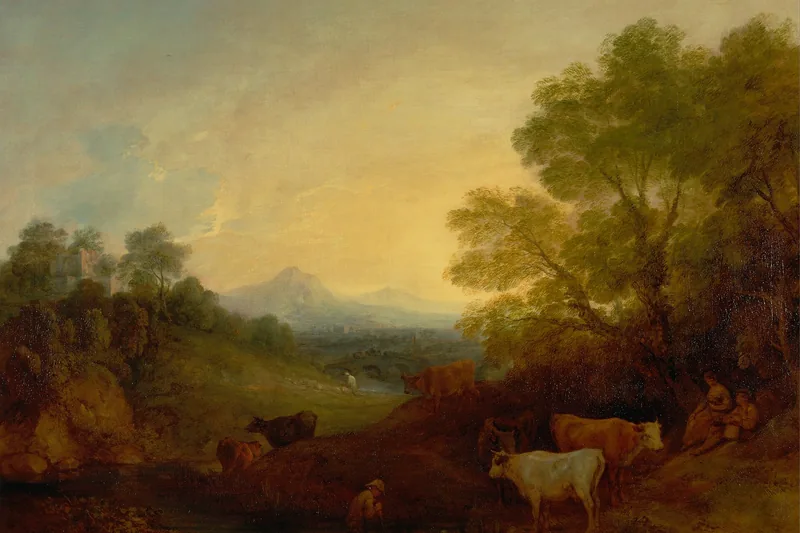
Emma, the view from Donwell Abbey
You are typing on the on-screen keyboard. Tap the text to open it and begin.
Caps Lock is on. Every letter comes out capital, so the test counts it as a mistake.
Or simply start typing.
- Time so far
- 0
- Words per minute
- 0
- Accuracy
- 100%
Done. The text and your result
0 % of characters hit
Where you slip most often
Darker keys collected more mistakes in this run.
What slowed you down
The characters your finger missed most often.
Your recent results
Words per minute across your recent runs in this language.
What to type next
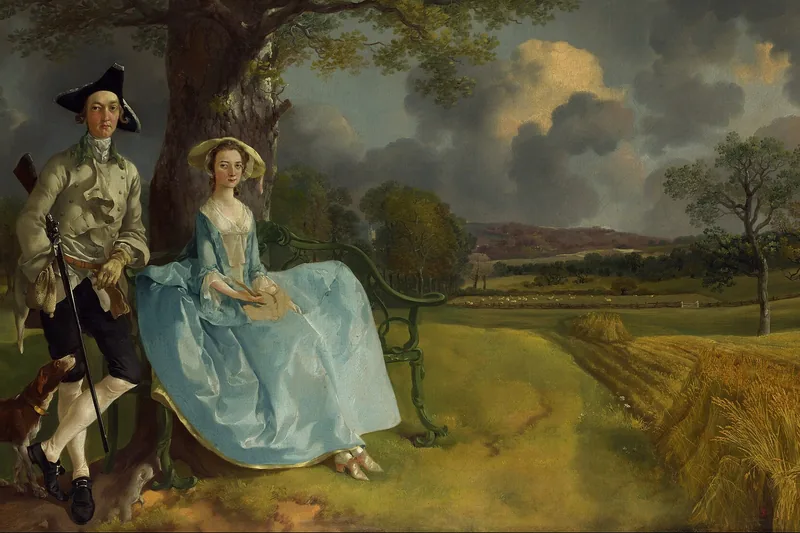 ProseEmma, the village of HighburyJane Austen, published 1815A short portrait of Highbury and of the place the Woodhouse family holds in it.medium428 characters
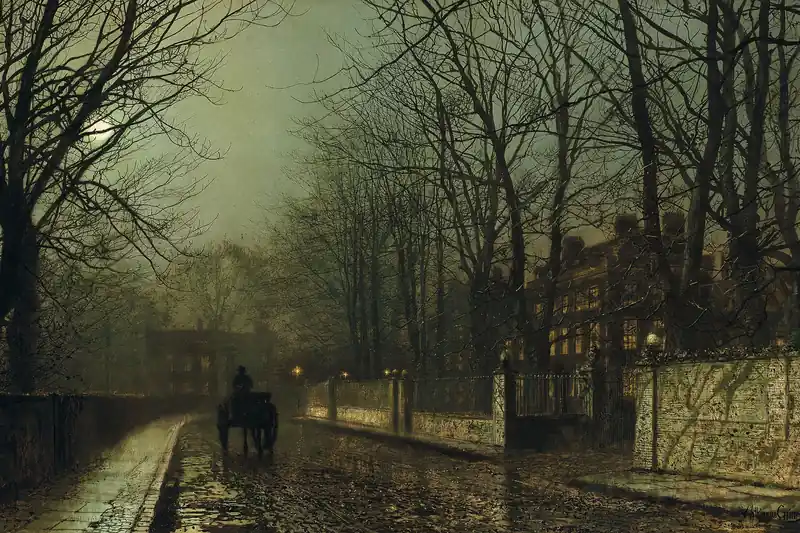 ProseLittle Women, the gray dawn of ChristmasLouisa May Alcott, published 1868Jo wakes early on Christmas morning and finds the gift her mother promised.easy363 characters
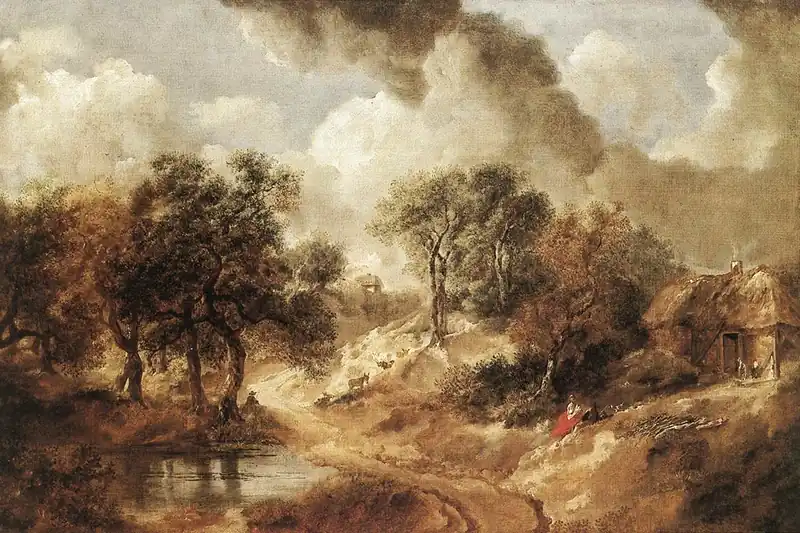 ProsePersuasion, the walk down to the sea at LymeJane Austen, published 1818The party from Uppercross settles at an inn in Lyme and goes straight down to the shore.easy260 characters
This view belongs to the strawberry party at Donwell Abbey, the estate of Mr. Knightley. The phrase English verdure, English culture, English comfort is one of the most quoted lines in the novel. Austen wrote Emma between January 1814 and March 1815 at Chawton in Hampshire. Project Gutenberg carries the full text.
Where this text comes fromAusten almost never describes scenery. Her novels are built from conversation and from what people notice about each other, so a passage that stops to look at a landscape is unusual enough to be worth flagging, and this is the most quoted one she wrote. It happens during the strawberry party at Donwell Abbey, where the party has walked out to look at the view and briefly stopped talking. The Gutenberg text linked below keeps her punctuation, including a long dash used inside a phrase rather than between two.
What you might not noticeThe line repeats the word English three times in eight words, verdure, culture and comfort, and Austen sets it directly after a long dash rather than after a full stop, so the repetition arrives as a single breath. Source
What it trainsThree sentences in 340 characters means an average of nineteen words, and the passage reads as a series of small arrivals rather than a flow. Eleven capitals, eight of them inside sentences, and two of those are the repeated word English. The trap is a long dash sitting inside a phrase with no spaces around it, so view and sweet run together across it as one unbroken string. Getting that right means reaching for the plain hyphen beside your zero key, which is what the long dash becomes here, and it is the only mark of its kind in the passage.
From our blogHow to Learn Touch Typing Without Bad Habits
Public domain status: published in 1815, more than 125 years ago. public domain, Project Gutenberg
More texts in this category
ProseLittle Women, the gray dawn of ChristmasLouisa May Alcott, published 1868Jo wakes early on Christmas morning and finds the gift her mother promised.easy363 characters
ProseEmma, the village of HighburyJane Austen, published 1815A short portrait of Highbury and of the place the Woodhouse family holds in it.medium428 characters
ProsePersuasion, the walk down to the sea at LymeJane Austen, published 1818The party from Uppercross settles at an inn in Lyme and goes straight down to the shore.easy260 characters
 ProsePride and Prejudice, the park at PemberleyJane Austen, published 1813Elizabeth drives into the grounds of Pemberley and sees the wood and the rising ground.easy301 characters
ProseJane Eyre, morning at ThornfieldCharlotte Brontë, published 1847Jane wakes in her new room at Thornfield and finds the light and the furniture cheerful.easy434 characters
ProsePride and Prejudice, the park at PemberleyJane Austen, published 1813Elizabeth drives into the grounds of Pemberley and sees the wood and the rising ground.easy301 characters
ProseJane Eyre, morning at ThornfieldCharlotte Brontë, published 1847Jane wakes in her new room at Thornfield and finds the light and the furniture cheerful.easy434 characters
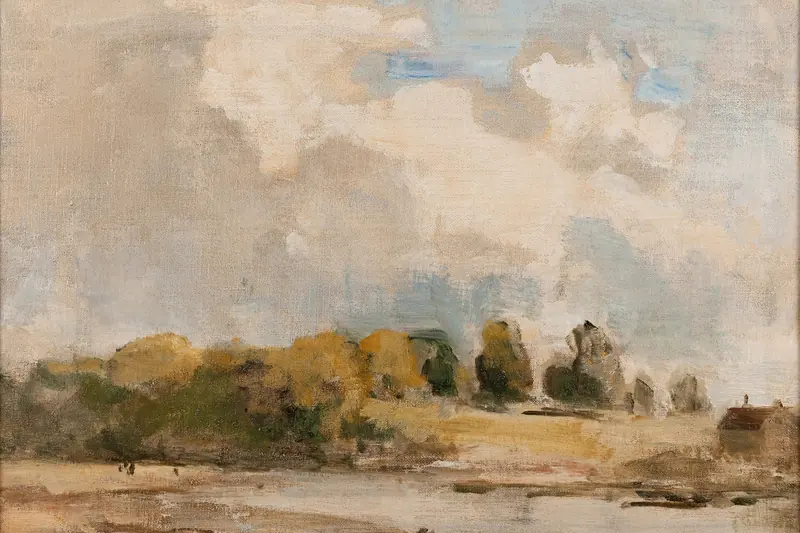 ProseThe Secret Garden, inside the high wallsFrances Hodgson Burnett, published 1911Mary looks at the matted rose stems on the walls of the garden she has just found.easy468 characters