The Hare and the Tortoise
You are typing on the on-screen keyboard. Tap the text to open it and begin.
Caps Lock is on. Every letter comes out capital, so the test counts it as a mistake.
Or simply start typing.
- Time so far
- 0
- Words per minute
- 0
- Accuracy
- 100%
Done. The text and your result
0 % of characters hit
Where you slip most often
Darker keys collected more mistakes in this run.
What slowed you down
The characters your finger missed most often.
Your recent results
Words per minute across your recent runs in this language.
What to type next
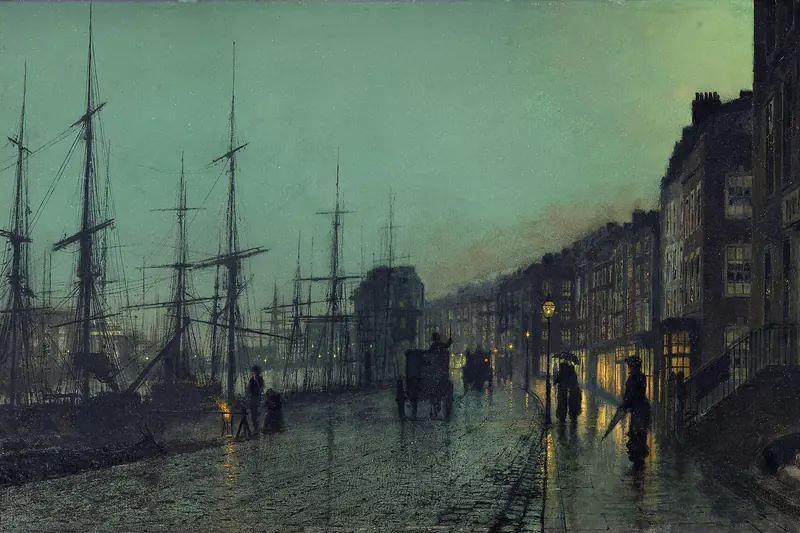 Fables and talesThe Fox and the GrapesAesop, published 1867A famished fox tries every trick to reach the grapes, then calls them sour.medium303 characters
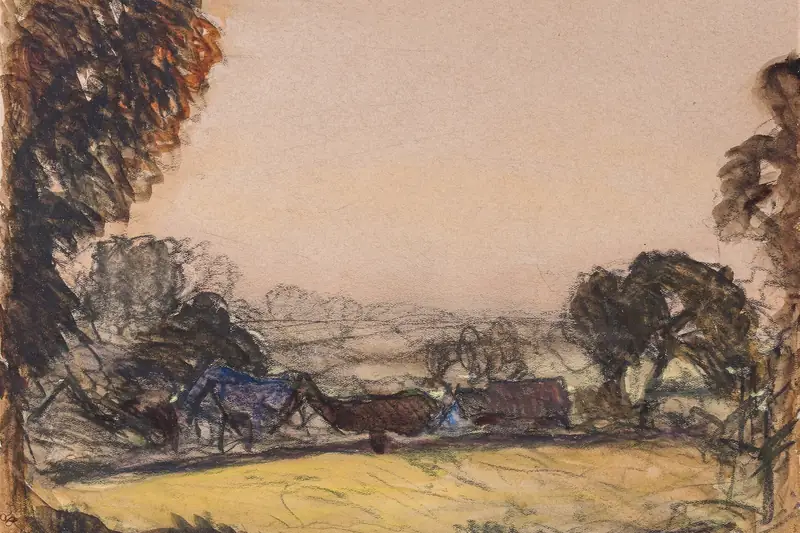 Fables and talesThe Milkmaid and Her PailAesop, published 1867The milkmaid counts eggs, chickens, a gown, and suitors before she has any of them.easy492 characters
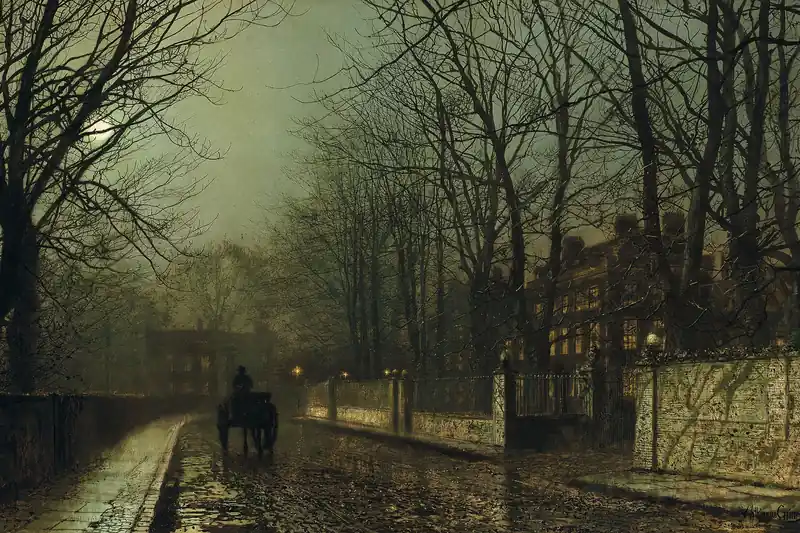 ProseLittle Women, the gray dawn of ChristmasLouisa May Alcott, published 1868Jo wakes early on Christmas morning and finds the gift her mother promised.easy363 characters
The race between the hare and the tortoise carries number 226 in the Perry Index of Greek fables. The fox chooses the course and fixes the goal, a detail the older Greek versions also keep. This English wording is by the Reverend George Fyler Townsend, whose collection of three hundred fables appeared in London in 1867. Aesop is a half-legendary figure of the sixth century BC.
Where this text comes fromThe tortoise speaks first and the hare never answers. That is the whole structure of this version: an insult, a reply that turns the insult into a challenge, and then a race that settles it without another word exchanged. Townsend translated three hundred of these into English in 1867 and his phrasing is the one most British readers of the following century grew up with, which is why the wording feels older than it is.
What you might not noticeThe tortoise gets the only speech in the fable, delivered laughing, and it is the line that sets up everything after it. The hare is given no dialogue at all. Source
What it trainsQuotation marks open and close a piece of dialogue here, preceded by a colon, so the colon and the opening quote arrive two keystrokes apart and both need Shift. Fourteen capitals, ten of them inside sentences, because the second word is set entirely in upper case and the animals are named as proper nouns throughout. Six commas, one semicolon, four full stops. Three sentences average nearly thirty-one words, which is long for a fable and comes from the reply being packed into a single breath.
From our blogHow to Learn Touch Typing Without Bad Habits
Public domain status: published in 1867, more than 125 years ago. public domain, Project Gutenberg
More texts in this category
Fables and talesThe Fox and the GrapesAesop, published 1867A famished fox tries every trick to reach the grapes, then calls them sour.medium303 characters
Fables and talesThe Milkmaid and Her PailAesop, published 1867The milkmaid counts eggs, chickens, a gown, and suitors before she has any of them.easy492 characters
Fables and talesThe North Wind and the SunAesop, published 1867The wind and the sun compete over a traveler’s cloak, and warmth wins.easy468 characters
Fables and talesAlice in Wonderland: down the rabbit holeLewis Carroll, published 1865Alice follows the rabbit into its hole and finds herself falling down a very deep well.easy329 characters
Fables and talesAlice in Wonderland: the little doorLewis Carroll, published 1865Alice finds a low curtain, a little door behind it, and a key that fits at last.easy230 characters
 Fables and talesThe Emperor’s New ClothesHans Christian Andersen, published 1837Two impostors arrive in the city and claim they can weave the most beautiful cloth imaginable.medium264 characters