Far from the Madding Crowd, the yellow waggon
You are typing on the on-screen keyboard. Tap the text to open it and begin.
Caps Lock is on. Every letter comes out capital, so the test counts it as a mistake.
Or simply start typing.
- Time so far
- 0
- Words per minute
- 0
- Accuracy
- 100%
Done. The text and your result
0 % of characters hit
Where you slip most often
Darker keys collected more mistakes in this run.
What slowed you down
The characters your finger missed most often.
Your recent results
Words per minute across your recent runs in this language.
What to type next
 ProseUnder the Greenwood Tree, singing in the laneThomas Hardy, published 1872A man walks up a lane on Christmas Eve, singing about roses, lilies, and sheep shearing.medium490 characters
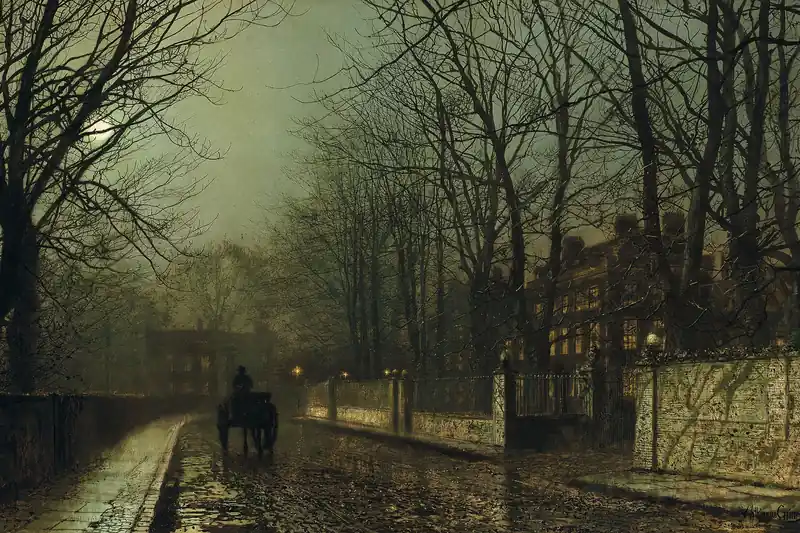 ProseLittle Women, the gray dawn of ChristmasLouisa May Alcott, published 1868Jo wakes early on Christmas morning and finds the gift her mother promised.easy363 characters
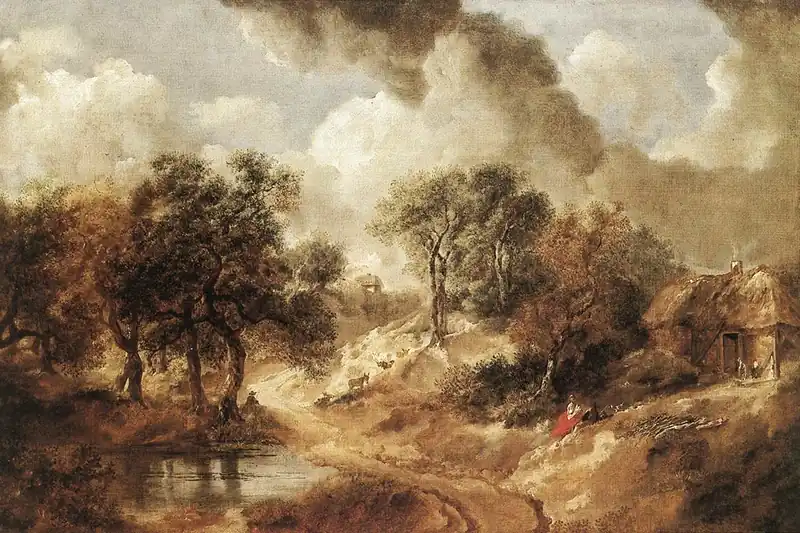 ProseEmma, the view from Donwell AbbeyJane Austen, published 1815A summer view of English fields and gardens from the grounds of Donwell Abbey.hard340 characters
Far from the Madding Crowd came out in 1874, first as a monthly serial in the Cornhill Magazine, printed without Hardy’s name. Hardy first used Wessex as the name for his part of England in this novel. The success of the book let him give up architecture and write full time. Project Gutenberg carries the full novel.
Where this text comes fromThe passage places things rather than describing them. A road runs through a spur of hill, sunk in a cutting; something is glanced at from above; the geometry of the view is established before anything in it is allowed to be pretty. Hardy is setting a stage he will use repeatedly, and the precision is structural rather than decorative. The place names are his own invention but they map onto real country closely enough that readers have been walking it with the book in hand for a century.
What you might not noticeThe word perpendicularly appears here, fifteen letters, doing work that a plainer writer would give to straight down. Hardy uses the technical word because the passage is measuring an angle rather than admiring a slope. Source
What it trainsSeven commas across three sentences and not a single dash, hyphen or semicolon, which after the other Hardy passage on this shelf feels almost bare. The difficulty is concentrated in two long words: perpendicularly at fifteen letters and Casterbridge at twelve, an invented place name, so no spellchecker instinct will help you. Six capitals, three of them inside sentences: two place names and the surname Oak. The sentences average twenty-five words.
From our blogHow to Learn Touch Typing Without Bad Habits
Public domain status: published in 1874, more than 125 years ago. public domain, Project Gutenberg
More texts in this category
ProseLittle Women, the gray dawn of ChristmasLouisa May Alcott, published 1868Jo wakes early on Christmas morning and finds the gift her mother promised.easy363 characters
ProseEmma, the view from Donwell AbbeyJane Austen, published 1815A summer view of English fields and gardens from the grounds of Donwell Abbey.hard340 characters
 ProseEmma, the village of HighburyJane Austen, published 1815A short portrait of Highbury and of the place the Woodhouse family holds in it.medium428 characters
ProsePersuasion, the walk down to the sea at LymeJane Austen, published 1818The party from Uppercross settles at an inn in Lyme and goes straight down to the shore.easy260 characters
ProseEmma, the village of HighburyJane Austen, published 1815A short portrait of Highbury and of the place the Woodhouse family holds in it.medium428 characters
ProsePersuasion, the walk down to the sea at LymeJane Austen, published 1818The party from Uppercross settles at an inn in Lyme and goes straight down to the shore.easy260 characters
 ProsePride and Prejudice, the park at PemberleyJane Austen, published 1813Elizabeth drives into the grounds of Pemberley and sees the wood and the rising ground.easy301 characters
ProseJane Eyre, morning at ThornfieldCharlotte Brontë, published 1847Jane wakes in her new room at Thornfield and finds the light and the furniture cheerful.easy434 characters
ProsePride and Prejudice, the park at PemberleyJane Austen, published 1813Elizabeth drives into the grounds of Pemberley and sees the wood and the rising ground.easy301 characters
ProseJane Eyre, morning at ThornfieldCharlotte Brontë, published 1847Jane wakes in her new room at Thornfield and finds the light and the furniture cheerful.easy434 characters