Persuasion, the walk down to the sea at Lyme
You are typing on the on-screen keyboard. Tap the text to open it and begin.
Caps Lock is on. Every letter comes out capital, so the test counts it as a mistake.
Or simply start typing.
- Time so far
- 0
- Words per minute
- 0
- Accuracy
- 100%
Done. The text and your result
0 % of characters hit
Where you slip most often
Darker keys collected more mistakes in this run.
What slowed you down
The characters your finger missed most often.
Your recent results
Words per minute across your recent runs in this language.
What to type next
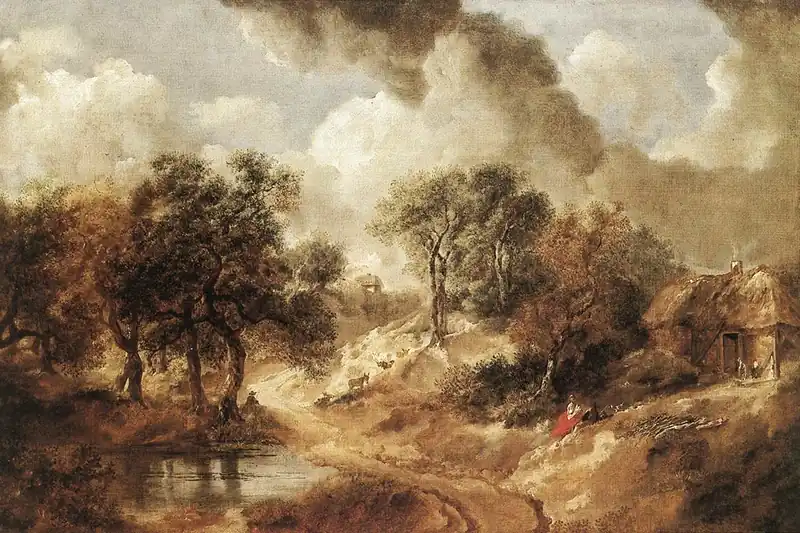 ProseEmma, the view from Donwell AbbeyJane Austen, published 1815A summer view of English fields and gardens from the grounds of Donwell Abbey.hard340 characters
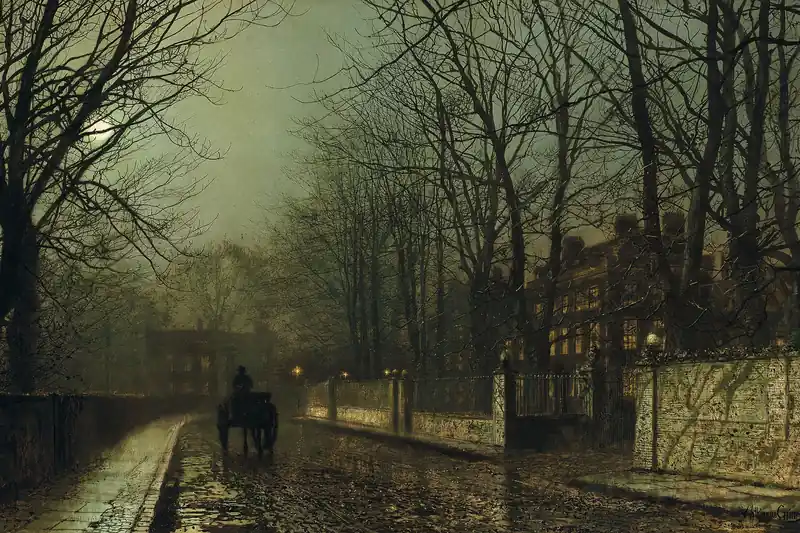 ProseLittle Women, the gray dawn of ChristmasLouisa May Alcott, published 1868Jo wakes early on Christmas morning and finds the gift her mother promised.easy363 characters
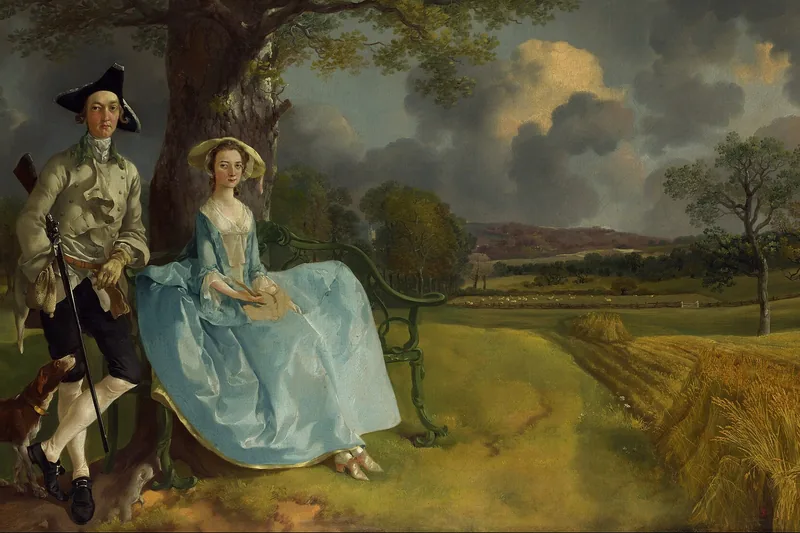 ProseEmma, the village of HighburyJane Austen, published 1815A short portrait of Highbury and of the place the Woodhouse family holds in it.medium428 characters
Persuasion was published in 1818 together with Northanger Abbey, and its seaside chapters made the Cobb at Lyme a place visitors still ask for by name. Austen had stayed in Lyme Regis in 1804 and used the town, its Cobb and its cliffs in this part of the book. The whole novel is on Project Gutenberg.
Where this text comes fromThis is transitional prose, the kind readers skim without noticing and typists cannot. Its job is to get a party of people from an inn to the shore and to make the interval feel handled rather than skipped, so Austen names only the two arrangements that would actually have to be made first and moves on. Sentences like this are the connective tissue of every nineteenth-century novel and they almost never get quoted, which makes copying one an unusual way of noticing how the machinery works.
What you might not noticeThe passage does its work in two sentences and forty-eight words, without naming a single character. Austen moves the whole party by describing only what has to be arranged first, the rooms and the dinner. Source
What it trainsAt 260 characters this is one of the shorter prose passages here, and it puts two fourteen-letter words into a single sentence: accommodations and unquestionably. Neither is the longest word on the shelf, since four passages here carry unbroken words of fifteen letters, but two of this size in one short sentence is unusual. They stand seventeen words apart, one just after the opening and one just before the sentence turns, so the second arrives when the hand has already settled. Both are built from familiar stems that change shape halfway through, which is where fingers guess. Everything else is plain: four commas, three capitals, two full stops and no hyphens at all.
From our blogHow to Learn Touch Typing Without Bad Habits
Public domain status: published in 1818, more than 125 years ago. public domain, Project Gutenberg
More texts in this category
ProseLittle Women, the gray dawn of ChristmasLouisa May Alcott, published 1868Jo wakes early on Christmas morning and finds the gift her mother promised.easy363 characters
ProseEmma, the view from Donwell AbbeyJane Austen, published 1815A summer view of English fields and gardens from the grounds of Donwell Abbey.hard340 characters
ProseEmma, the village of HighburyJane Austen, published 1815A short portrait of Highbury and of the place the Woodhouse family holds in it.medium428 characters
 ProsePride and Prejudice, the park at PemberleyJane Austen, published 1813Elizabeth drives into the grounds of Pemberley and sees the wood and the rising ground.easy301 characters
ProseJane Eyre, morning at ThornfieldCharlotte Brontë, published 1847Jane wakes in her new room at Thornfield and finds the light and the furniture cheerful.easy434 characters
ProsePride and Prejudice, the park at PemberleyJane Austen, published 1813Elizabeth drives into the grounds of Pemberley and sees the wood and the rising ground.easy301 characters
ProseJane Eyre, morning at ThornfieldCharlotte Brontë, published 1847Jane wakes in her new room at Thornfield and finds the light and the furniture cheerful.easy434 characters
 ProseThe Secret Garden, inside the high wallsFrances Hodgson Burnett, published 1911Mary looks at the matted rose stems on the walls of the garden she has just found.easy468 characters