Far from the Madding Crowd, a clear sky
You are typing on the on-screen keyboard. Tap the text to open it and begin.
Caps Lock is on. Every letter comes out capital, so the test counts it as a mistake.
Or simply start typing.
- Time so far
- 0
- Words per minute
- 0
- Accuracy
- 100%
Done. The text and your result
0 % of characters hit
Where you slip most often
Darker keys collected more mistakes in this run.
What slowed you down
The characters your finger missed most often.
Your recent results
Words per minute across your recent runs in this language.
What to type next
 ProseUnder the Greenwood Tree, singing in the laneThomas Hardy, published 1872A man walks up a lane on Christmas Eve, singing about roses, lilies, and sheep shearing.medium490 characters
 ProseLittle Women, the gray dawn of ChristmasLouisa May Alcott, published 1868Jo wakes early on Christmas morning and finds the gift her mother promised.easy363 characters
 ProseEmma, the view from Donwell AbbeyJane Austen, published 1815A summer view of English fields and gardens from the grounds of Donwell Abbey.hard340 characters
The night sky belongs to the second chapter, where Gabriel Oak sits with his flock. Hardy names Sirius, Capella, Aldebaran, and Betelgeuse in a few lines. He kept a lifelong interest in astronomy and built a whole novel around a young astronomer, Two on a Tower, published in 1882. Project Gutenberg carries the full novel.
Where this text comes fromHardy writes the night sky as a mechanism. The stars pulse together as though driven by one body, and the passage keeps reaching for words that belong to machinery and to timing rather than to beauty. He names individual stars in the sentence that follows this one. What you copy is the setup, before any of them are named, while the sky is still being established as a working thing.
What you might not noticeHardy tells the time by the sky: since evening the Bear has swung round the North star until it stands at a right angle to the meridian, so the sentence carries its own clock without naming an hour. Source
What it trainsThree commas across four hundred characters is the whole of the pause you get here, and that is what makes the passage tiring rather than difficult. Sentences run to twenty-four words apiece with almost nothing dividing them, so the line has to be held in your head from one full stop to the next. Four long dashes do the dividing instead, and typed on a keyboard they come through as the plain hyphen from the top row, with no space on either side; two of them attach a qualifier straight onto the word before it, so clear and remarkably arrive as one unbroken run of sixteen characters. Putting a space around that hyphen is the usual slip. Only six capitals appear in the whole fragment, and only three of those fall inside a sentence: the North star, the Bear, and England. The rest of the text runs in an even lower case that offers no landmarks.
From our blogHow to Learn Touch Typing Without Bad Habits
Public domain status: published in 1874, more than 125 years ago. public domain, Project Gutenberg
More texts in this category
ProseLittle Women, the gray dawn of ChristmasLouisa May Alcott, published 1868Jo wakes early on Christmas morning and finds the gift her mother promised.easy363 characters
ProseEmma, the view from Donwell AbbeyJane Austen, published 1815A summer view of English fields and gardens from the grounds of Donwell Abbey.hard340 characters
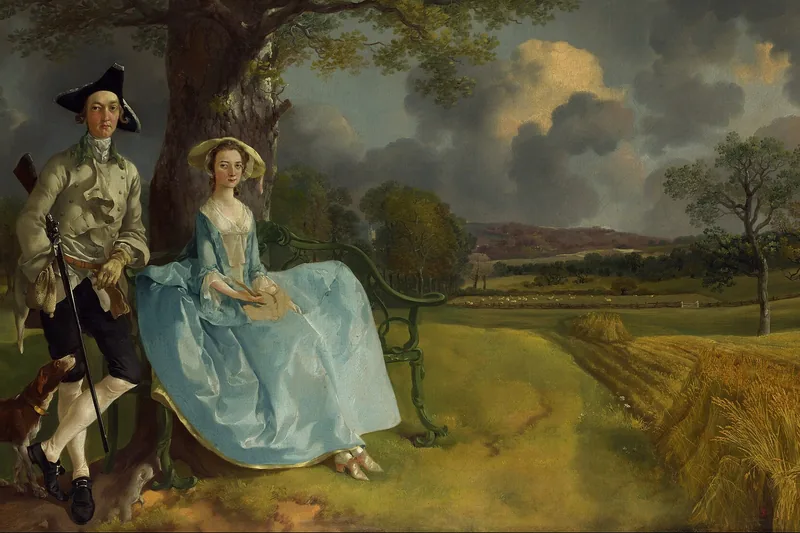 ProseEmma, the village of HighburyJane Austen, published 1815A short portrait of Highbury and of the place the Woodhouse family holds in it.medium428 characters
ProsePersuasion, the walk down to the sea at LymeJane Austen, published 1818The party from Uppercross settles at an inn in Lyme and goes straight down to the shore.easy260 characters
ProseEmma, the village of HighburyJane Austen, published 1815A short portrait of Highbury and of the place the Woodhouse family holds in it.medium428 characters
ProsePersuasion, the walk down to the sea at LymeJane Austen, published 1818The party from Uppercross settles at an inn in Lyme and goes straight down to the shore.easy260 characters
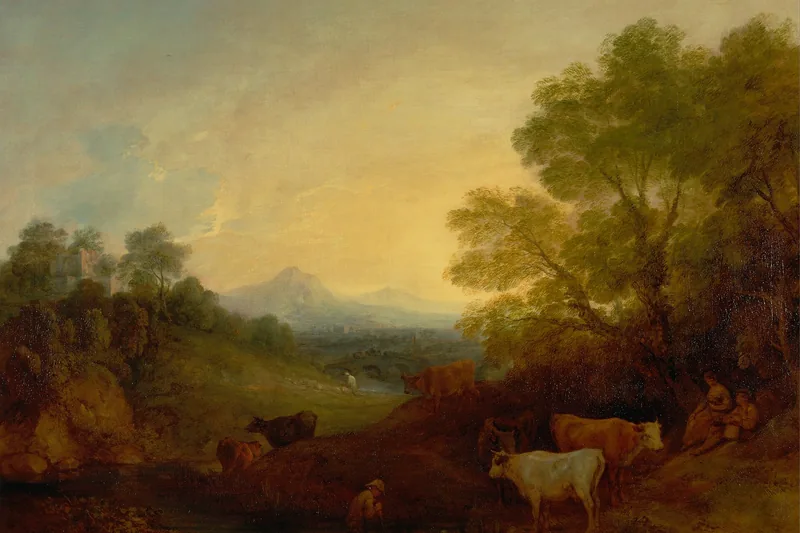 ProsePride and Prejudice, the park at PemberleyJane Austen, published 1813Elizabeth drives into the grounds of Pemberley and sees the wood and the rising ground.easy301 characters
ProseJane Eyre, morning at ThornfieldCharlotte Brontë, published 1847Jane wakes in her new room at Thornfield and finds the light and the furniture cheerful.easy434 characters
ProsePride and Prejudice, the park at PemberleyJane Austen, published 1813Elizabeth drives into the grounds of Pemberley and sees the wood and the rising ground.easy301 characters
ProseJane Eyre, morning at ThornfieldCharlotte Brontë, published 1847Jane wakes in her new room at Thornfield and finds the light and the furniture cheerful.easy434 characters