A Christmas Carol, the shop windows
You are typing on the on-screen keyboard. Tap the text to open it and begin.
Caps Lock is on. Every letter comes out capital, so the test counts it as a mistake.
Or simply start typing.
- Time so far
- 0
- Words per minute
- 0
- Accuracy
- 100%
Done. The text and your result
0 % of characters hit
Where you slip most often
Darker keys collected more mistakes in this run.
What slowed you down
The characters your finger missed most often.
Your recent results
Words per minute across your recent runs in this language.
What to type next
 ProseDavid Copperfield, the flats near YarmouthCharles Dickens, published 1850The boy David looks over the flat wet country around Yarmouth and puzzles over its shape.easy347 characters
 ProseLittle Women, the gray dawn of ChristmasLouisa May Alcott, published 1868Jo wakes early on Christmas morning and finds the gift her mother promised.easy363 characters
 ProseEmma, the view from Donwell AbbeyJane Austen, published 1815A summer view of English fields and gardens from the grounds of Donwell Abbey.hard340 characters
Dickens puts this picture of onions and mistletoe in the third stave, where the Ghost of Christmas Present walks Scrooge through the London streets. Dickens finished the book in about six weeks and it went on sale on December 19, 1843. He paid for the production himself, with four hand-colored etchings by John Leech. The full text sits on Project Gutenberg.
Where this text comes fromDickens writes abundance by making lists, and this is one of the densest he ever wrote: a single sentence that piles adjective on adjective until the onions stop being vegetables and start being characters. The stave it belongs to is the one where the reader is supposed to feel the streets as physically overwhelming, so the prose behaves the same way, refusing to stop for a full stop. Nothing in the sentence is doing plot work. It is there to be too much.
What you might not noticeThe onions are described as broad-girthed and brown-faced, two hyphenated compounds in a row, and then compared to Spanish friars. Dickens builds the joke by giving vegetables both a physique and a nationality. Source
What it trainsThree hyphens in 246 characters, and two of them land in adjacent words: brown-faced at eleven characters and broad-girthed at thirteen, each with the hyphen buried in the middle. The hand types the first correctly and then hits the second on autopilot with the hyphen a letter early. Dense for this shelf but not the densest: a Hopkins poem here carries four hyphens in 282 characters. Five commas run the list. Five capitals, four of them inside sentences, because the nationality is repeated. Thirty-nine words and only one full stop, at the very end.
From our blogHow to Learn Touch Typing Without Bad Habits
Public domain status: published in 1843, more than 125 years ago. public domain, Project Gutenberg
More texts in this category
ProseLittle Women, the gray dawn of ChristmasLouisa May Alcott, published 1868Jo wakes early on Christmas morning and finds the gift her mother promised.easy363 characters
ProseEmma, the view from Donwell AbbeyJane Austen, published 1815A summer view of English fields and gardens from the grounds of Donwell Abbey.hard340 characters
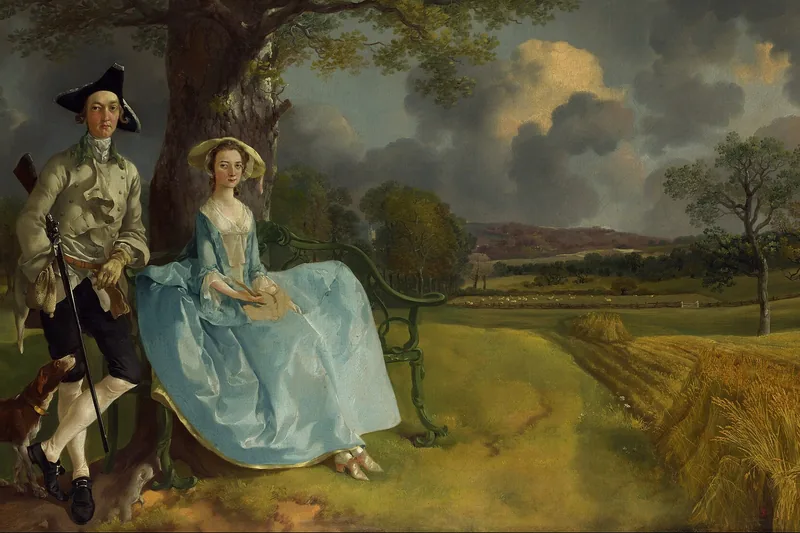 ProseEmma, the village of HighburyJane Austen, published 1815A short portrait of Highbury and of the place the Woodhouse family holds in it.medium428 characters
ProsePersuasion, the walk down to the sea at LymeJane Austen, published 1818The party from Uppercross settles at an inn in Lyme and goes straight down to the shore.easy260 characters
ProseEmma, the village of HighburyJane Austen, published 1815A short portrait of Highbury and of the place the Woodhouse family holds in it.medium428 characters
ProsePersuasion, the walk down to the sea at LymeJane Austen, published 1818The party from Uppercross settles at an inn in Lyme and goes straight down to the shore.easy260 characters
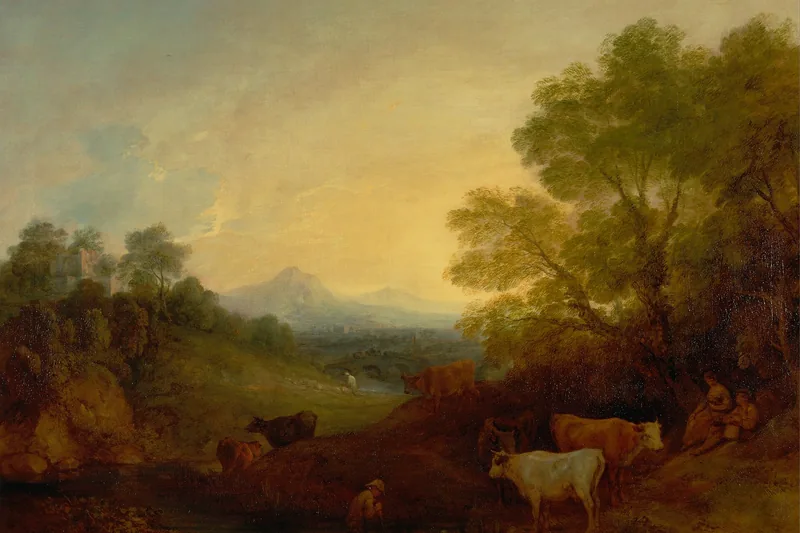 ProsePride and Prejudice, the park at PemberleyJane Austen, published 1813Elizabeth drives into the grounds of Pemberley and sees the wood and the rising ground.easy301 characters
ProseJane Eyre, morning at ThornfieldCharlotte Brontë, published 1847Jane wakes in her new room at Thornfield and finds the light and the furniture cheerful.easy434 characters
ProsePride and Prejudice, the park at PemberleyJane Austen, published 1813Elizabeth drives into the grounds of Pemberley and sees the wood and the rising ground.easy301 characters
ProseJane Eyre, morning at ThornfieldCharlotte Brontë, published 1847Jane wakes in her new room at Thornfield and finds the light and the furniture cheerful.easy434 characters