Walden, a summer morning in the doorway
You are typing on the on-screen keyboard. Tap the text to open it and begin.
Caps Lock is on. Every letter comes out capital, so the test counts it as a mistake.
Or simply start typing.
- Time so far
- 0
- Words per minute
- 0
- Accuracy
- 100%
Done. The text and your result
0 % of characters hit
Where you slip most often
Darker keys collected more mistakes in this run.
What slowed you down
The characters your finger missed most often.
Your recent results
Words per minute across your recent runs in this language.
What to type next
 ProseWalden, taking up an abode in the woodsHenry David Thoreau, published 1854Thoreau moves into his unfinished house in the woods on Independence Day.medium383 characters
 ProseLittle Women, the gray dawn of ChristmasLouisa May Alcott, published 1868Jo wakes early on Christmas morning and finds the gift her mother promised.easy363 characters
 ProseEmma, the view from Donwell AbbeyJane Austen, published 1815A summer view of English fields and gardens from the grounds of Donwell Abbey.hard340 characters
The passage comes from the chapter Thoreau called Sounds. He built the cabin himself for a little over twenty-eight dollars and listed every expense. Walden grew out of the journal he kept for most of his adult life. Project Gutenberg carries the full text.
Where this text comes fromWhat this passage describes is a man sitting in a doorway doing nothing for several hours, and it is meant to be provocative. The whole book is an argument that time spent not working is not time wasted, and the sentence enacts the claim by refusing to hurry: it accumulates for seventy-six words without a single full stop, in the same unhurried way it says the morning passed. A reader in a hurry finds it unbearable, which is rather the point.
What you might not noticeThe sentence covers a stretch from sunrise until noon without naming a single activity, only the sitting itself and what happened around it while he sat. Source
What it trainsSeventy-six words in one sentence makes this the longest unbroken run of any prose here, though two passages in verse and one in science go further still. That is 430 characters with a single full stop at the end and ten commas along the way. The exercise is stamina rather than skill: nothing in the vocabulary is difficult, no word passes eleven letters, and there are no hyphens or dashes at all. What breaks people is that the clauses keep the same shape, so after the fifth of the ten commas the eye starts predicting and stops reading. Three capitals, two of them inside sentences.
From our blogHow to Learn Touch Typing Without Bad Habits
Public domain status: published in 1854, more than 125 years ago. public domain, Project Gutenberg
More texts in this category
ProseLittle Women, the gray dawn of ChristmasLouisa May Alcott, published 1868Jo wakes early on Christmas morning and finds the gift her mother promised.easy363 characters
ProseEmma, the view from Donwell AbbeyJane Austen, published 1815A summer view of English fields and gardens from the grounds of Donwell Abbey.hard340 characters
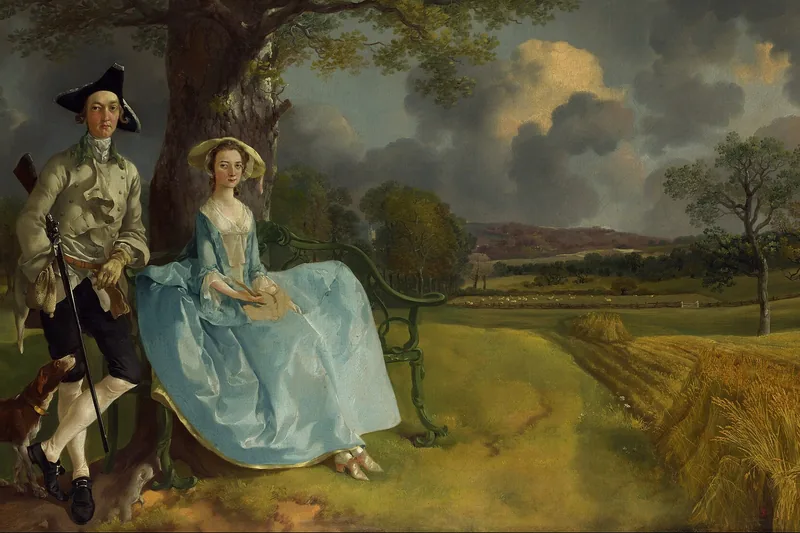 ProseEmma, the village of HighburyJane Austen, published 1815A short portrait of Highbury and of the place the Woodhouse family holds in it.medium428 characters
ProsePersuasion, the walk down to the sea at LymeJane Austen, published 1818The party from Uppercross settles at an inn in Lyme and goes straight down to the shore.easy260 characters
ProseEmma, the village of HighburyJane Austen, published 1815A short portrait of Highbury and of the place the Woodhouse family holds in it.medium428 characters
ProsePersuasion, the walk down to the sea at LymeJane Austen, published 1818The party from Uppercross settles at an inn in Lyme and goes straight down to the shore.easy260 characters
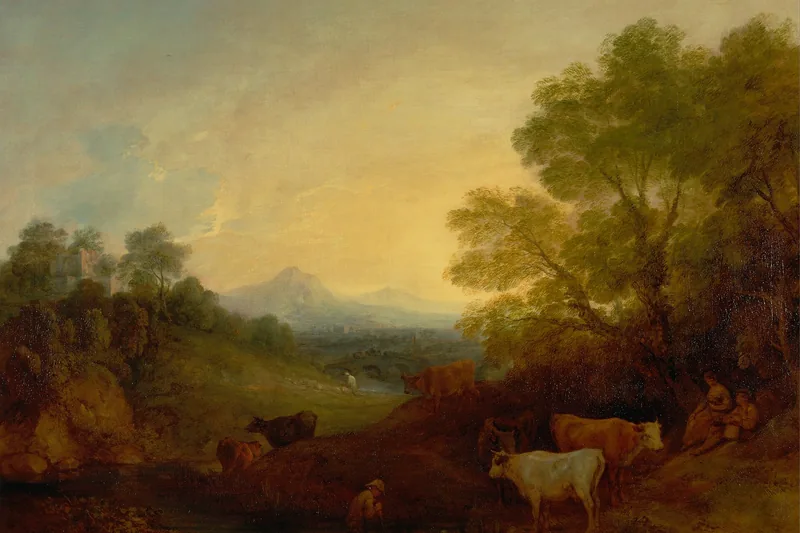 ProsePride and Prejudice, the park at PemberleyJane Austen, published 1813Elizabeth drives into the grounds of Pemberley and sees the wood and the rising ground.easy301 characters
ProseJane Eyre, morning at ThornfieldCharlotte Brontë, published 1847Jane wakes in her new room at Thornfield and finds the light and the furniture cheerful.easy434 characters
ProsePride and Prejudice, the park at PemberleyJane Austen, published 1813Elizabeth drives into the grounds of Pemberley and sees the wood and the rising ground.easy301 characters
ProseJane Eyre, morning at ThornfieldCharlotte Brontë, published 1847Jane wakes in her new room at Thornfield and finds the light and the furniture cheerful.easy434 characters