To a Skylark, hail to thee, blithe spirit
You are typing on the on-screen keyboard. Tap the text to open it and begin.
Caps Lock is on. Every letter comes out capital, so the test counts it as a mistake.
Or simply start typing.
- Time so far
- 0
- Words per minute
- 0
- Accuracy
- 100%
Done. The text and your result
0 % of characters hit
Where you slip most often
Darker keys collected more mistakes in this run.
What slowed you down
The characters your finger missed most often.
Your recent results
Words per minute across your recent runs in this language.
What to type next
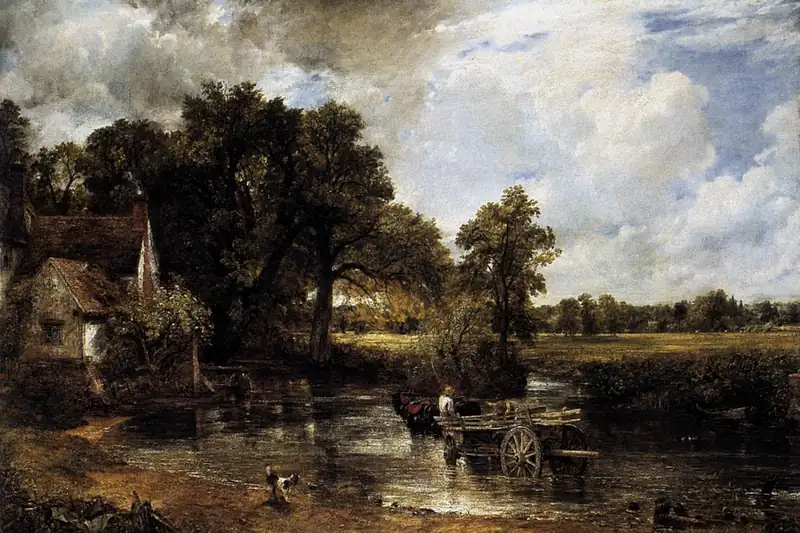 PoetryThe Echoing Green, the sun does ariseWilliam Blake, published 1789Bells and birds welcome the spring while the old folk watch the children play.medium483 characters
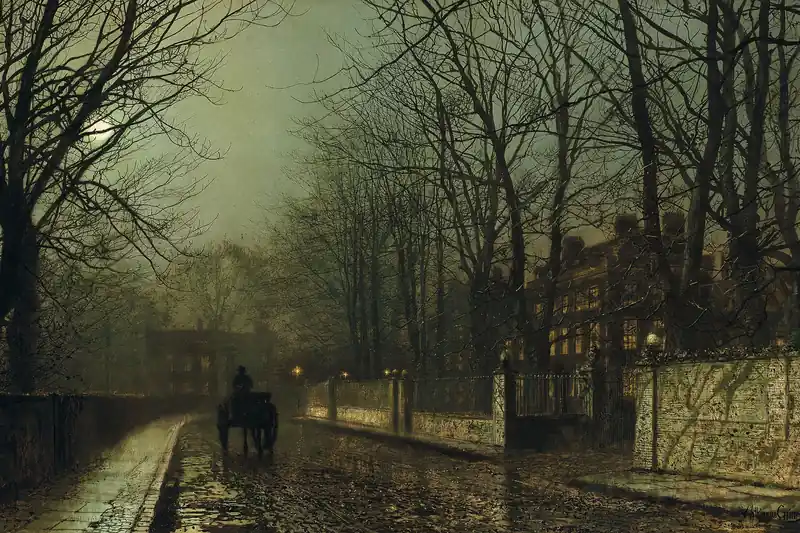 ProseLittle Women, the gray dawn of ChristmasLouisa May Alcott, published 1868Jo wakes early on Christmas morning and finds the gift her mother promised.easy363 characters
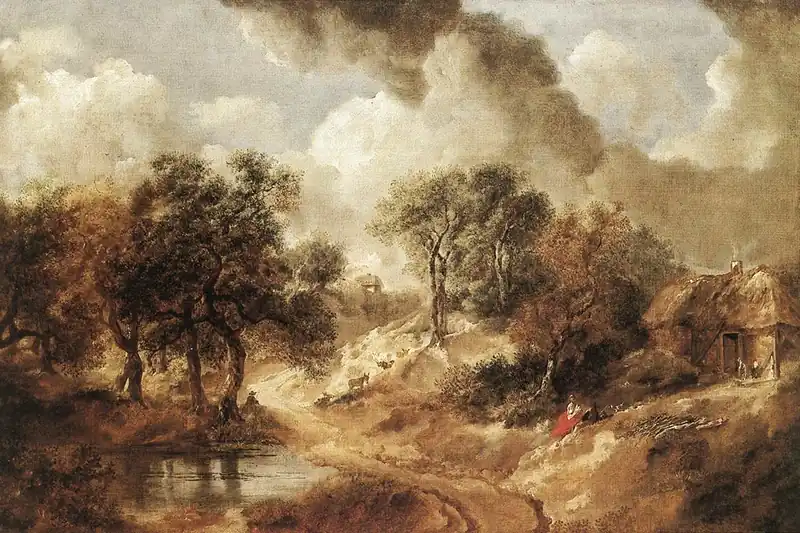 ProseEmma, the view from Donwell AbbeyJane Austen, published 1815A summer view of English fields and gardens from the grounds of Donwell Abbey.hard340 characters
Shelley wrote this poem in the summer of 1820 near Livorno in Italy, after an evening walk with his wife Mary. It was printed that year with his verse drama Prometheus Unbound. The bird is never described, only heard, which is why the poem keeps reaching for comparisons. Wikisource carries the anthology text.
Where this text comes fromThe text linked below comes from a children’s anthology rather than from the 1820 volume where the poem first appeared alongside Prometheus Unbound, and anthology editors tend to smooth things. What you copy is the opening: the greeting, the refusal to call the bird a bird, and the first flight upward. The poem runs to twenty-one stanzas and spends nearly all of them looking for a comparison that will hold, which is the point, because Shelley heard the skylark and never saw it.
What you might not noticeThe anthology text keeps the elision bright’ning, with an apostrophe standing in for the letter e. Modern reprints of the 1820 volume usually spell the word out and lose the syllable count Shelley was keeping. Source
What it trainsThe word to watch is unpremeditated: fourteen letters, six of them vowels alternating with consonants in a pattern the hand has no muscle memory for, and it arrives at the end of a long line when concentration is lowest. Just after it comes bright’ning, where an apostrophe sits between two consonants instead of before an s. Two long dashes close the first two lines, and the plain hyphen carries both; nothing else in the passage uses that key. Fifteen capitals in 454 characters, and every one of them stands at the start of a verse line.
From our blogHow to Learn Touch Typing Without Bad Habits
Public domain status: published in 1820, more than 125 years ago. public domain, Wikisource
More texts in this category
PoetryThe Echoing Green, the sun does ariseWilliam Blake, published 1789Bells and birds welcome the spring while the old folk watch the children play.medium483 characters
 PoetryLaughing Song, when the green woods laughWilliam Blake, published 1789Woods, stream, and meadows laugh while Mary, Susan, and Emily sing.easy350 characters
 PoetrySpring, sound the fluteWilliam Blake, published 1789A short song of flutes, birds, and children welcoming in the new year.medium288 characters
 PoetryThe Lamb, from Songs of InnocenceWilliam Blake, published 1789The lamb is asked who made it, fed it, and gave it its tender voice.medium307 characters
PoetryHome-Thoughts, from Abroad, April in EnglandRobert Browning, published 1845A traveler abroad pictures the first leaves and the chaffinch at home in April.hard251 characters
PoetryHome-Thoughts, from Abroad, the wise thrushRobert Browning, published 1845May brings the whitethroat, the swallows, and a thrush that sings each song twice.hard360 characters
PoetryThe Lamb, from Songs of InnocenceWilliam Blake, published 1789The lamb is asked who made it, fed it, and gave it its tender voice.medium307 characters
PoetryHome-Thoughts, from Abroad, April in EnglandRobert Browning, published 1845A traveler abroad pictures the first leaves and the chaffinch at home in April.hard251 characters
PoetryHome-Thoughts, from Abroad, the wise thrushRobert Browning, published 1845May brings the whitethroat, the swallows, and a thrush that sings each song twice.hard360 characters