Home-Thoughts, from Abroad, April in England
You are typing on the on-screen keyboard. Tap the text to open it and begin.
Caps Lock is on. Every letter comes out capital, so the test counts it as a mistake.
Or simply start typing.
- Time so far
- 0
- Words per minute
- 0
- Accuracy
- 100%
Done. The text and your result
0 % of characters hit
Where you slip most often
Darker keys collected more mistakes in this run.
What slowed you down
The characters your finger missed most often.
Your recent results
Words per minute across your recent runs in this language.
What to type next
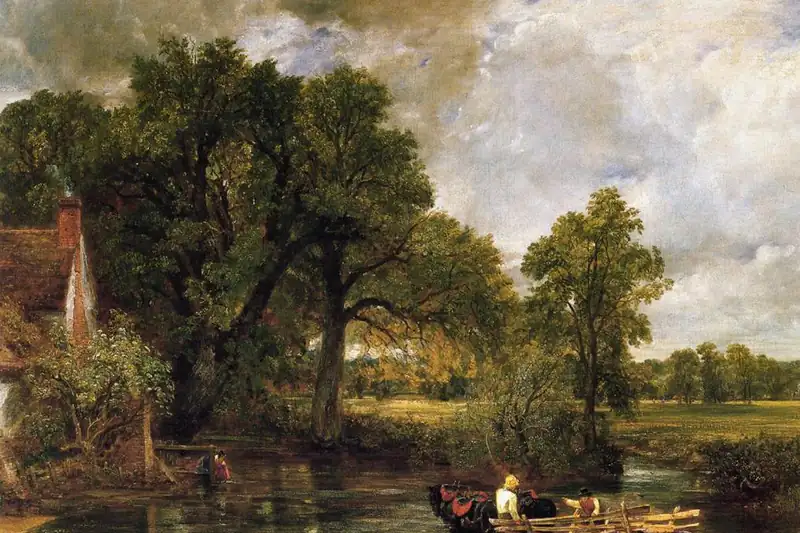 PoetryHome-Thoughts, from Abroad, the wise thrushRobert Browning, published 1845May brings the whitethroat, the swallows, and a thrush that sings each song twice.hard360 characters
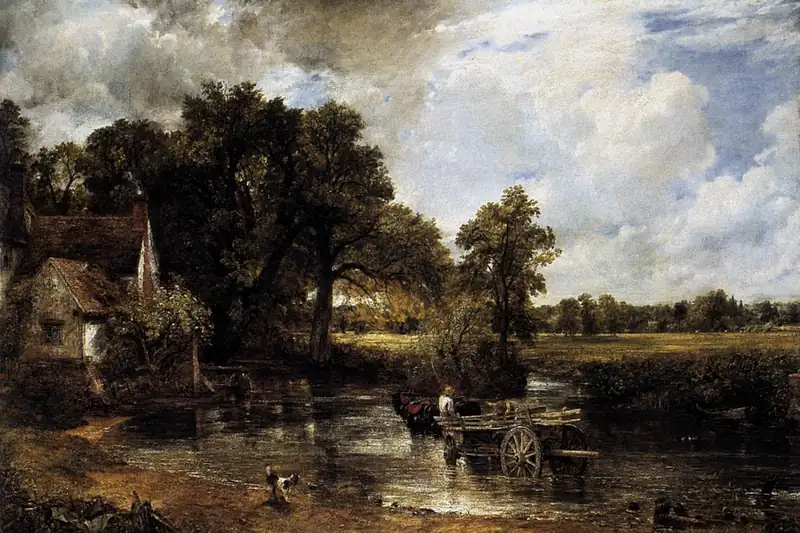 PoetryThe Echoing Green, the sun does ariseWilliam Blake, published 1789Bells and birds welcome the spring while the old folk watch the children play.medium483 characters
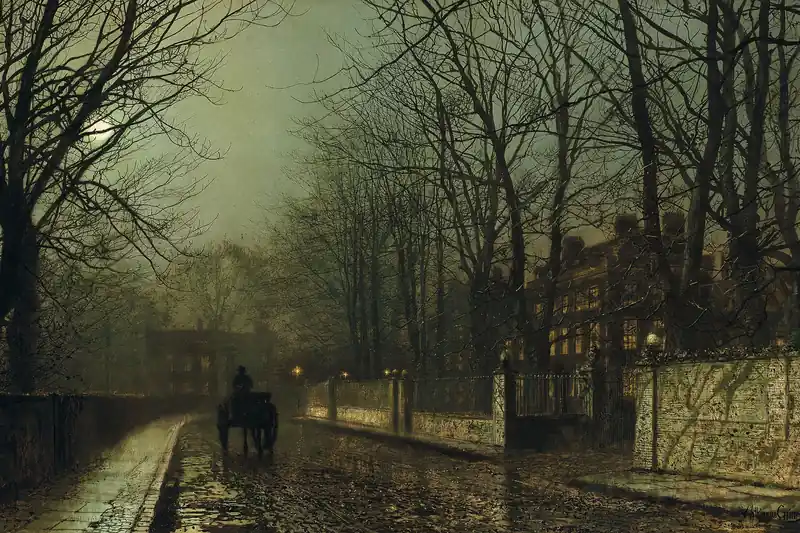 ProseLittle Women, the gray dawn of ChristmasLouisa May Alcott, published 1868Jo wakes early on Christmas morning and finds the gift her mother promised.easy363 characters
Robert Browning printed this poem in 1845 in Bells and Pomegranates, the cheap pamphlet series in which most of his early work appeared. Browning wrote the poem while traveling in Italy, which is why the title says abroad. It became one of the most quoted pictures of the English spring. Wikisource carries the 1845 printing.
Where this text comes fromBells and Pomegranates was a series of cheap paper pamphlets, and this poem first reached readers that way rather than in a book. The page linked below prints three numbered pieces under this one title; what you type is the first stanza of the first, and its second stanza, the wise thrush singing each song twice over, follows directly beneath it. Browning was homesick in Italy when he wrote it, which is the joke the title makes and the reason the English hedgerow is described with such precision.
What you might not noticeEngland closes the first line and stands one word from the end of the last, so the passage returns to where it started. The name turns up three times across eight lines. Source
What it trainsForty-four words arrive as one unbroken sentence, so the only punctuation you can rest on is a comma, and there are six of them. What makes this passage awkward is the dash in the last line, set with no space on either side: typed as a plain hyphen, it welds England and now into one eleven-character run, and the hand almost always inserts a space. The first compound, brush-wood, is spelled with the hyphen that modern English has dropped. Twelve capitals in 251 characters, eight of them opening verse lines, and a single exclamation mark to close.
From our blogHow to Learn Touch Typing Without Bad Habits
Public domain status: published in 1845, more than 125 years ago. public domain, Wikisource
More texts in this category
PoetryThe Echoing Green, the sun does ariseWilliam Blake, published 1789Bells and birds welcome the spring while the old folk watch the children play.medium483 characters
PoetryLaughing Song, when the green woods laughWilliam Blake, published 1789Woods, stream, and meadows laugh while Mary, Susan, and Emily sing.easy350 characters
 PoetrySpring, sound the fluteWilliam Blake, published 1789A short song of flutes, birds, and children welcoming in the new year.medium288 characters
 PoetryThe Lamb, from Songs of InnocenceWilliam Blake, published 1789The lamb is asked who made it, fed it, and gave it its tender voice.medium307 characters
PoetryHome-Thoughts, from Abroad, the wise thrushRobert Browning, published 1845May brings the whitethroat, the swallows, and a thrush that sings each song twice.hard360 characters
PoetryShe walks in beauty, like the nightGeorge Gordon Byron, published 1815A woman whose beauty gathers all that is best of dark and bright, like a cloudless starry night.medium437 characters
PoetryThe Lamb, from Songs of InnocenceWilliam Blake, published 1789The lamb is asked who made it, fed it, and gave it its tender voice.medium307 characters
PoetryHome-Thoughts, from Abroad, the wise thrushRobert Browning, published 1845May brings the whitethroat, the swallows, and a thrush that sings each song twice.hard360 characters
PoetryShe walks in beauty, like the nightGeorge Gordon Byron, published 1815A woman whose beauty gathers all that is best of dark and bright, like a cloudless starry night.medium437 characters