The Village Blacksmith, under a chestnut tree
You are typing on the on-screen keyboard. Tap the text to open it and begin.
Caps Lock is on. Every letter comes out capital, so the test counts it as a mistake.
Or simply start typing.
- Time so far
- 0
- Words per minute
- 0
- Accuracy
- 100%
Done. The text and your result
0 % of characters hit
Where you slip most often
Darker keys collected more mistakes in this run.
What slowed you down
The characters your finger missed most often.
Your recent results
Words per minute across your recent runs in this language.
What to type next
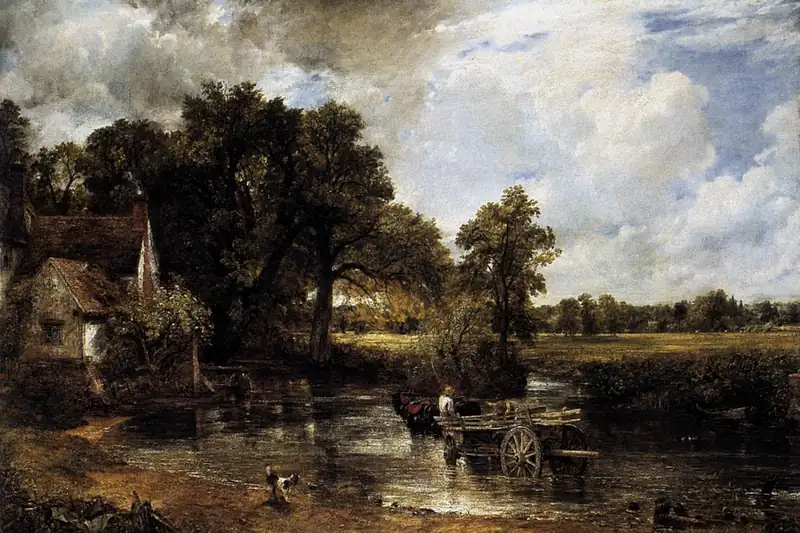 PoetryThe Echoing Green, the sun does ariseWilliam Blake, published 1789Bells and birds welcome the spring while the old folk watch the children play.medium483 characters
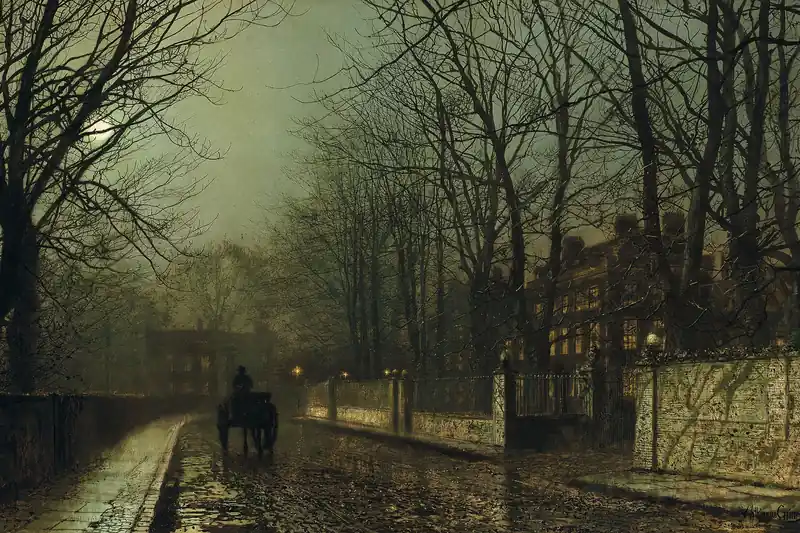 ProseLittle Women, the gray dawn of ChristmasLouisa May Alcott, published 1868Jo wakes early on Christmas morning and finds the gift her mother promised.easy363 characters
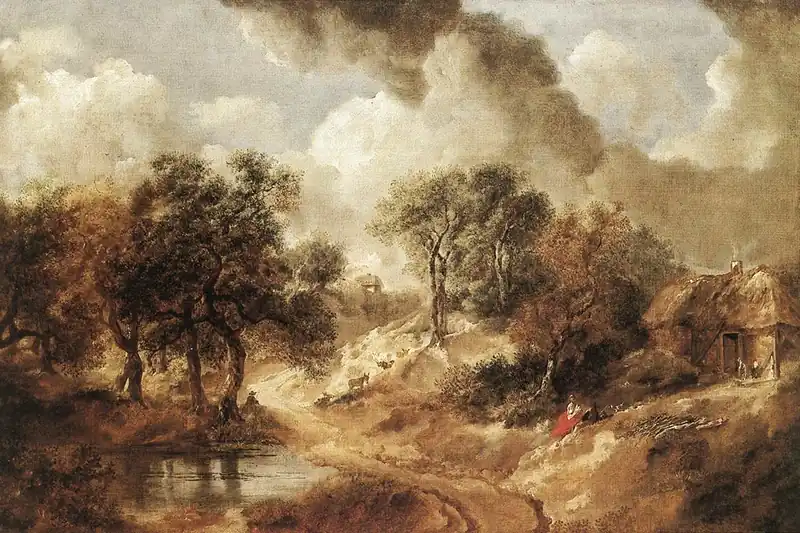 ProseEmma, the view from Donwell AbbeyJane Austen, published 1815A summer view of English fields and gardens from the grounds of Donwell Abbey.hard340 characters
Longfellow published The Village Blacksmith in 1841 in Ballads and Other Poems, and the smithy stood in Brattle Street in Cambridge, Massachusetts. It was near his own house. When the chestnut tree was felled, children of the town put their pennies together and had a chair made for the poet from its wood. Wikisource carries the anthology text.
Where this text comes fromThe poem is an account of a trade, and the details are correct: the muscles the work builds, the tools, the position of the shop on the street. Longfellow was writing about a real smithy he walked past, and the accuracy is part of the argument, because the point of the piece is that ordinary labor deserves the same treatment as heroes and battles. The ballad meter carries that: it is the measure used for stories about knights, applied here to a man hammering iron.
What you might not noticeThe chestnut-tree of the first line is set with a hyphen, the way the compound was written in 1841, and the tree in question was real enough that the town later made a chair from its wood. Source
What it trainsTwelve capitals in 371 characters and only two of them stand where a sentence starts, because ballad lines begin with a capital regardless of where the grammar is. Eight commas and three semicolons run the clauses, and the semicolons do the work full stops would do in prose, which means the passage never quite stops. One hyphenated compound, chestnut-tree, at thirteen characters. One apostrophe hides in whate’er, where the cut vowel is easy to miss, and this edition sets it as the straight mark your keyboard produces. Two sentences average thirty-six words, so the punctuation is dense but the units are long.
From our blogHow to Learn Touch Typing Without Bad Habits
Public domain status: published in 1841, more than 125 years ago. public domain, Project Gutenberg
More texts in this category
PoetryThe Echoing Green, the sun does ariseWilliam Blake, published 1789Bells and birds welcome the spring while the old folk watch the children play.medium483 characters
 PoetryLaughing Song, when the green woods laughWilliam Blake, published 1789Woods, stream, and meadows laugh while Mary, Susan, and Emily sing.easy350 characters
 PoetrySpring, sound the fluteWilliam Blake, published 1789A short song of flutes, birds, and children welcoming in the new year.medium288 characters
 PoetryThe Lamb, from Songs of InnocenceWilliam Blake, published 1789The lamb is asked who made it, fed it, and gave it its tender voice.medium307 characters
PoetryHome-Thoughts, from Abroad, April in EnglandRobert Browning, published 1845A traveler abroad pictures the first leaves and the chaffinch at home in April.hard251 characters
PoetryHome-Thoughts, from Abroad, the wise thrushRobert Browning, published 1845May brings the whitethroat, the swallows, and a thrush that sings each song twice.hard360 characters
PoetryThe Lamb, from Songs of InnocenceWilliam Blake, published 1789The lamb is asked who made it, fed it, and gave it its tender voice.medium307 characters
PoetryHome-Thoughts, from Abroad, April in EnglandRobert Browning, published 1845A traveler abroad pictures the first leaves and the chaffinch at home in April.hard251 characters
PoetryHome-Thoughts, from Abroad, the wise thrushRobert Browning, published 1845May brings the whitethroat, the swallows, and a thrush that sings each song twice.hard360 characters