The Sketch Book, going into the country
You are typing on the on-screen keyboard. Tap the text to open it and begin.
Caps Lock is on. Every letter comes out capital, so the test counts it as a mistake.
Or simply start typing.
- Time so far
- 0
- Words per minute
- 0
- Accuracy
- 100%
Done. The text and your result
0 % of characters hit
Where you slip most often
Darker keys collected more mistakes in this run.
What slowed you down
The characters your finger missed most often.
Your recent results
Words per minute across your recent runs in this language.
What to type next
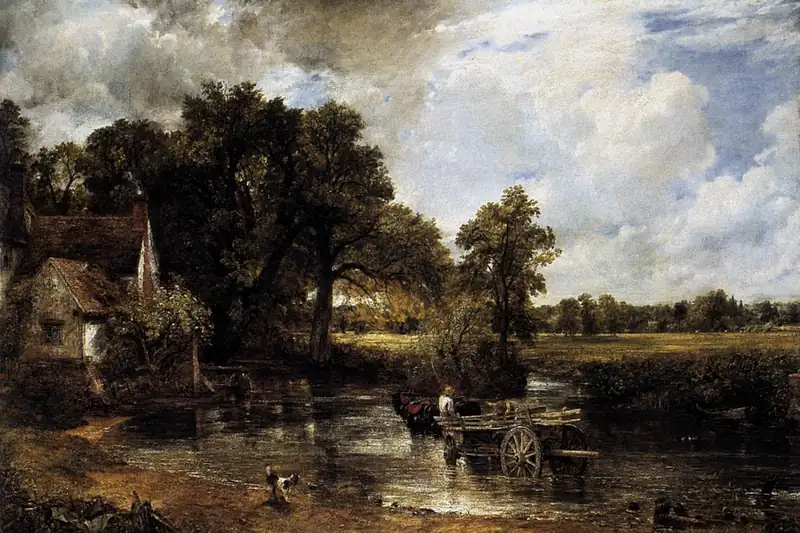 ProseThe Sketch Book, fond of new scenesWashington Irving, published 1820The narrator remembers exploring his own city as a child and calling it travel.easy435 characters
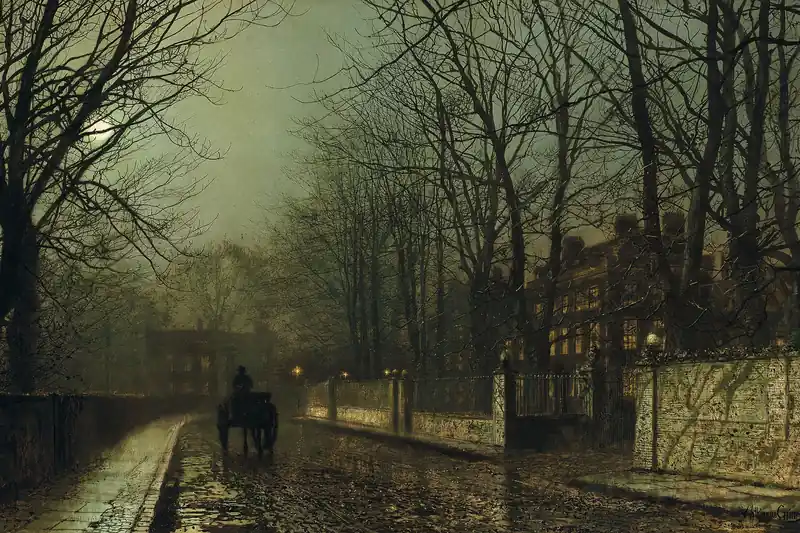 ProseLittle Women, the gray dawn of ChristmasLouisa May Alcott, published 1868Jo wakes early on Christmas morning and finds the gift her mother promised.easy363 characters
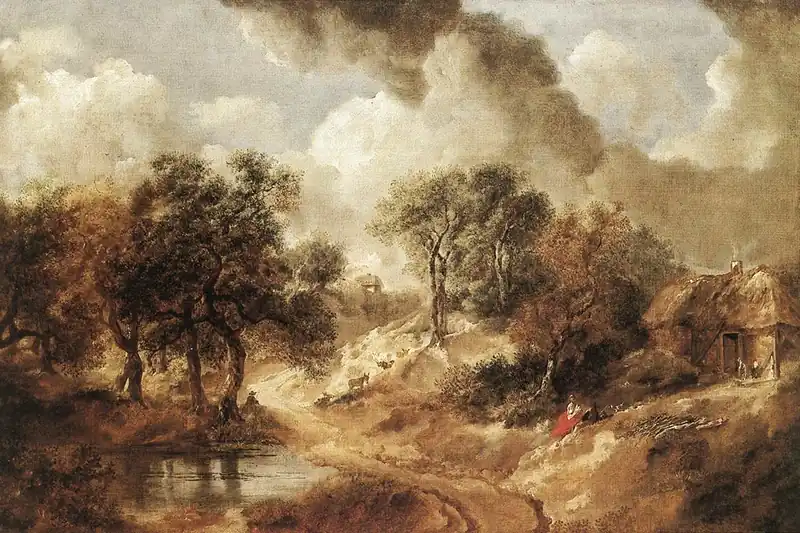 ProseEmma, the view from Donwell AbbeyJane Austen, published 1815A summer view of English fields and gardens from the grounds of Donwell Abbey.hard340 characters
The Sketch Book of Geoffrey Crayon came out in parts in 1819 and 1820, while Irving was living in England. The same book holds Rip Van Winkle and The Legend of Sleepy Hollow. It was one of the first American books to sell well on both sides of the Atlantic. Project Gutenberg carries the whole collection.
Where this text comes fromThe argument is that you cannot see England from London. Irving sets out to prove it by insisting that the character of the country lives in places a visitor to the capital never reaches, and the passage builds that case by piling clause upon clause until the reader concedes from sheer weight. It is a traveler writing for other travelers, and it worked: this book made an American writer readable in Britain, which had not happened before.
What you might not noticeThe first word of the passage is set entirely in capitals, THE, a printer’s convention for opening a chapter that has been reproduced exactly rather than normalized. Source
What it trainsSeven semicolons in 499 characters, a count nothing else here reaches, and on the US layout that mark carries no Shift, so seven of them cost the little finger nothing. What they cost is attention. They are doing structural work here, dividing a single argument into stages rather than separating list items, so losing one changes the sense. The first word is set in full capitals, which means three Shift presses before you have typed anything else. Two sentences average forty-one words. Six commas and one hyphen complete the load.
From our blogHow to Learn Touch Typing Without Bad Habits
Public domain status: published in 1820, more than 125 years ago. public domain, Project Gutenberg
More texts in this category
ProseLittle Women, the gray dawn of ChristmasLouisa May Alcott, published 1868Jo wakes early on Christmas morning and finds the gift her mother promised.easy363 characters
ProseEmma, the view from Donwell AbbeyJane Austen, published 1815A summer view of English fields and gardens from the grounds of Donwell Abbey.hard340 characters
 ProseEmma, the village of HighburyJane Austen, published 1815A short portrait of Highbury and of the place the Woodhouse family holds in it.medium428 characters
ProsePersuasion, the walk down to the sea at LymeJane Austen, published 1818The party from Uppercross settles at an inn in Lyme and goes straight down to the shore.easy260 characters
ProseEmma, the village of HighburyJane Austen, published 1815A short portrait of Highbury and of the place the Woodhouse family holds in it.medium428 characters
ProsePersuasion, the walk down to the sea at LymeJane Austen, published 1818The party from Uppercross settles at an inn in Lyme and goes straight down to the shore.easy260 characters
 ProsePride and Prejudice, the park at PemberleyJane Austen, published 1813Elizabeth drives into the grounds of Pemberley and sees the wood and the rising ground.easy301 characters
ProseJane Eyre, morning at ThornfieldCharlotte Brontë, published 1847Jane wakes in her new room at Thornfield and finds the light and the furniture cheerful.easy434 characters
ProsePride and Prejudice, the park at PemberleyJane Austen, published 1813Elizabeth drives into the grounds of Pemberley and sees the wood and the rising ground.easy301 characters
ProseJane Eyre, morning at ThornfieldCharlotte Brontë, published 1847Jane wakes in her new room at Thornfield and finds the light and the furniture cheerful.easy434 characters