The Wind in the Willows, the river
You are typing on the on-screen keyboard. Tap the text to open it and begin.
Caps Lock is on. Every letter comes out capital, so the test counts it as a mistake.
Or simply start typing.
- Time so far
- 0
- Words per minute
- 0
- Accuracy
- 100%
Done. The text and your result
0 % of characters hit
Where you slip most often
Darker keys collected more mistakes in this run.
What slowed you down
The characters your finger missed most often.
Your recent results
Words per minute across your recent runs in this language.
What to type next
 ProseThe Wind in the Willows, a frosty fieldKenneth Grahame, published 1908Sheep steam in the frosty air as two travelers hurry past in high spirits.medium293 characters
 ProseLittle Women, the gray dawn of ChristmasLouisa May Alcott, published 1868Jo wakes early on Christmas morning and finds the gift her mother promised.easy363 characters
 ProseEmma, the view from Donwell AbbeyJane Austen, published 1815A summer view of English fields and gardens from the grounds of Donwell Abbey.hard340 characters
The Mole reaches the river bank in the first chapter. Grahame knew the Thames near Cookham Dean and Pangbourne, and that stretch stands behind the book. The first edition appeared without illustrations, and the drawings readers know came later from other hands. Project Gutenberg carries the full text.
Where this text comes fromThe river is not described as water. It is described as an animal, and the metaphor is held for the entire passage: sleek, sinuous, full-bodied, chasing, chuckling, gripping and letting go. Nothing is said about depth, current or color, which is what a person would notice; everything said is what one creature notices about another. That choice is the reason the sentence keeps going, because a list of adjectives can stop but a living thing being watched cannot.
What you might not noticeThe passage sets the compound a-shiver with a hyphen and then runs it into the following word across a long dash, so a single unbroken string carries two joining marks that the printer distinguished and the keyboard does not. Source
What it trainsTen commas, three hyphens and two long dashes crowd into 410 characters, which makes this one of the densest punctuation loads on the shelf. Hyphens and long dashes appear within a few words of each other, in full-bodied on one hand and in the joined pairs on the other, and one plain hyphen serves them all: five strikes on that key across two sentences. Three sentences average under twenty-two words. Four capitals in total, one of them inside a sentence.
From our blogHow to Learn Touch Typing Without Bad Habits
Public domain status: the author died in 1932, so copyright has expired. public domain, Project Gutenberg
More texts in this category
ProseLittle Women, the gray dawn of ChristmasLouisa May Alcott, published 1868Jo wakes early on Christmas morning and finds the gift her mother promised.easy363 characters
ProseEmma, the view from Donwell AbbeyJane Austen, published 1815A summer view of English fields and gardens from the grounds of Donwell Abbey.hard340 characters
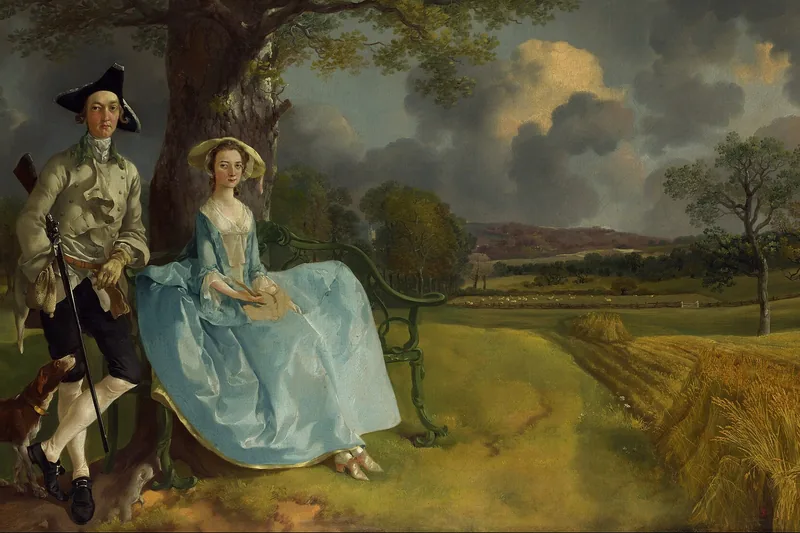 ProseEmma, the village of HighburyJane Austen, published 1815A short portrait of Highbury and of the place the Woodhouse family holds in it.medium428 characters
ProsePersuasion, the walk down to the sea at LymeJane Austen, published 1818The party from Uppercross settles at an inn in Lyme and goes straight down to the shore.easy260 characters
ProseEmma, the village of HighburyJane Austen, published 1815A short portrait of Highbury and of the place the Woodhouse family holds in it.medium428 characters
ProsePersuasion, the walk down to the sea at LymeJane Austen, published 1818The party from Uppercross settles at an inn in Lyme and goes straight down to the shore.easy260 characters
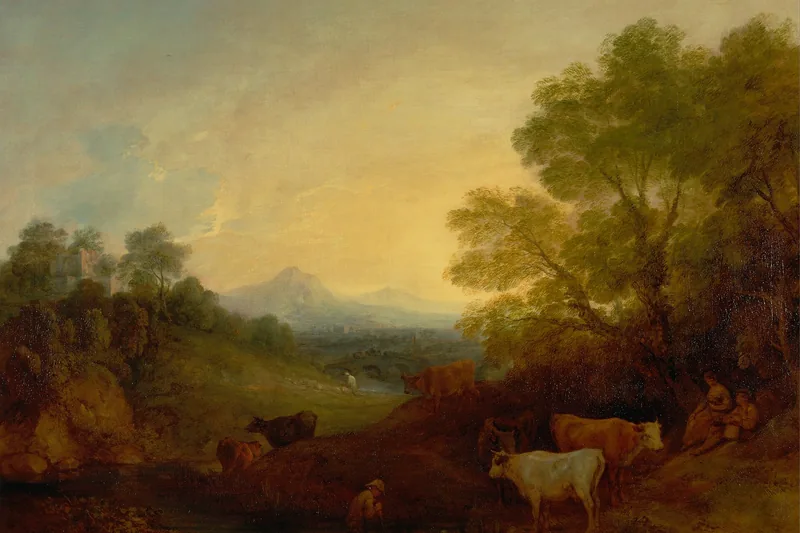 ProsePride and Prejudice, the park at PemberleyJane Austen, published 1813Elizabeth drives into the grounds of Pemberley and sees the wood and the rising ground.easy301 characters
ProseJane Eyre, morning at ThornfieldCharlotte Brontë, published 1847Jane wakes in her new room at Thornfield and finds the light and the furniture cheerful.easy434 characters
ProsePride and Prejudice, the park at PemberleyJane Austen, published 1813Elizabeth drives into the grounds of Pemberley and sees the wood and the rising ground.easy301 characters
ProseJane Eyre, morning at ThornfieldCharlotte Brontë, published 1847Jane wakes in her new room at Thornfield and finds the light and the furniture cheerful.easy434 characters