Through the Looking-Glass, a curious country
You are typing on the on-screen keyboard. Tap the text to open it and begin.
Caps Lock is on. Every letter comes out capital, so the test counts it as a mistake.
Or simply start typing.
- Time so far
- 0
- Words per minute
- 0
- Accuracy
- 100%
Done. The text and your result
0 % of characters hit
Where you slip most often
Darker keys collected more mistakes in this run.
What slowed you down
The characters your finger missed most often.
Your recent results
Words per minute across your recent runs in this language.
What to type next
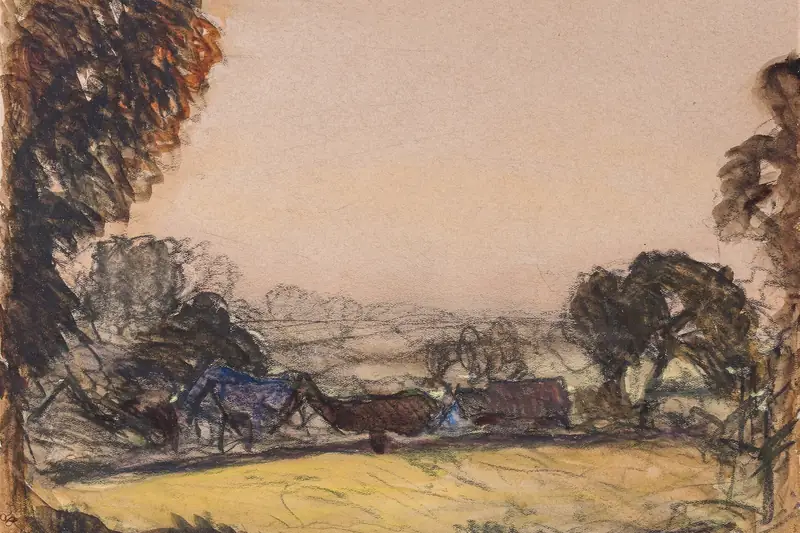 ProseAlice in Wonderland, tired on the bankLewis Carroll, published 1865Alice, bored beside her sister, decides a book with no pictures or conversations is no use.easy302 characters
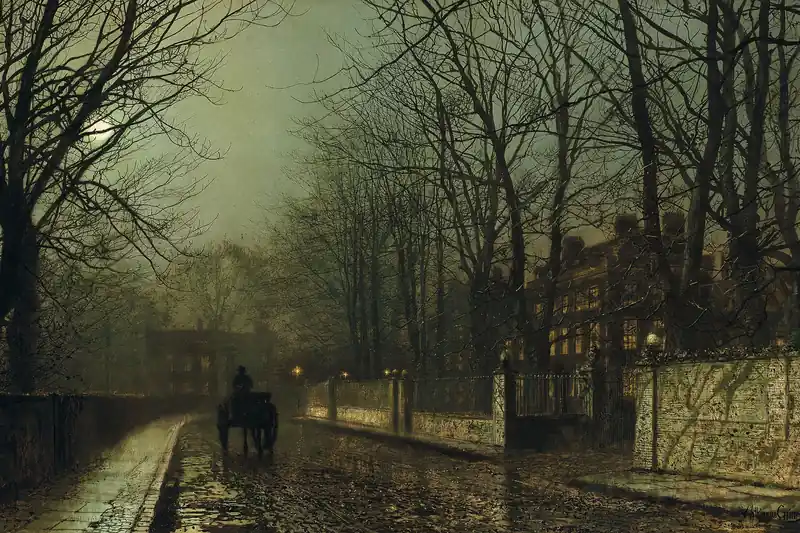 ProseLittle Women, the gray dawn of ChristmasLouisa May Alcott, published 1868Jo wakes early on Christmas morning and finds the gift her mother promised.easy363 characters
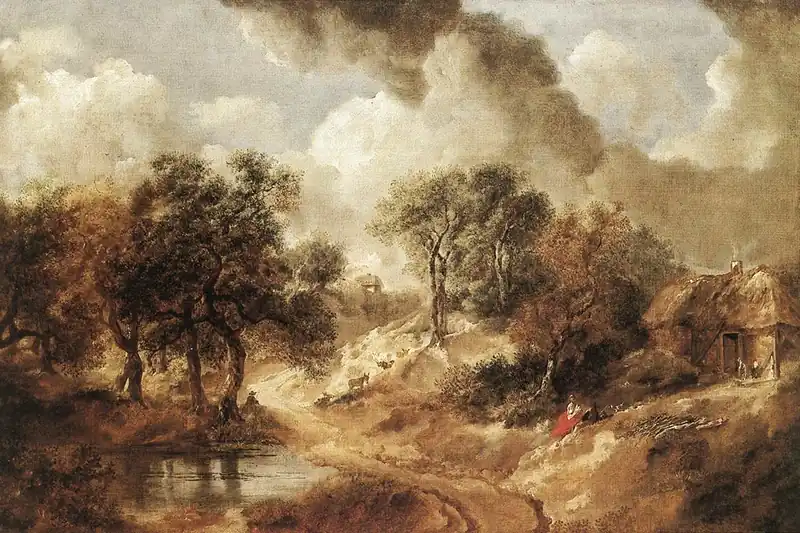 ProseEmma, the view from Donwell AbbeyJane Austen, published 1815A summer view of English fields and gardens from the grounds of Donwell Abbey.hard340 characters
Through the Looking-Glass was published in 1871 as a sequel to the first Alice book. Its landscape is a chessboard and the plot follows a chess problem. Carroll printed the problem and its moves at the front of the book. John Tenniel drew the pictures again and asked for one chapter to be dropped. The full text is on Project Gutenberg.
Where this text comes fromAlice is standing still and looking, which in this book means she is reading a board. The landscape she sees is divided by brooks and hedges into squares, and the whole plot moves across it the way pieces move in a chess problem, so the description is also a diagram. Carroll expects the reader to notice the shape without being told, and the passage gives the geometry before it gives any reaction to it. What you copy is the moment of taking it in, before she works out what it means.
What you might not noticeThe word country is joined to the word that follows it by a long dash with no space on either side, so the sentence changes direction mid stride rather than pausing first. Source
What it trainsTwo sentences carry fifty-nine words, so the average is close to thirty and neither one lets go early. Three commas are all the internal punctuation there is, apart from one long dash that sits inside a word pair with no spaces around it. That dash is the thing to get right: on screen it is the plain hyphen beside your zero key, and no other mark of that shape appears in the whole passage. Three capital letters in 337 characters, only one of them inside a sentence. The longest word is directions, ten letters.
From our blogHow to Learn Touch Typing Without Bad Habits
Public domain status: published in 1871, more than 125 years ago. public domain, Project Gutenberg
More texts in this category
ProseLittle Women, the gray dawn of ChristmasLouisa May Alcott, published 1868Jo wakes early on Christmas morning and finds the gift her mother promised.easy363 characters
ProseEmma, the view from Donwell AbbeyJane Austen, published 1815A summer view of English fields and gardens from the grounds of Donwell Abbey.hard340 characters
 ProseEmma, the village of HighburyJane Austen, published 1815A short portrait of Highbury and of the place the Woodhouse family holds in it.medium428 characters
ProsePersuasion, the walk down to the sea at LymeJane Austen, published 1818The party from Uppercross settles at an inn in Lyme and goes straight down to the shore.easy260 characters
ProseEmma, the village of HighburyJane Austen, published 1815A short portrait of Highbury and of the place the Woodhouse family holds in it.medium428 characters
ProsePersuasion, the walk down to the sea at LymeJane Austen, published 1818The party from Uppercross settles at an inn in Lyme and goes straight down to the shore.easy260 characters
 ProsePride and Prejudice, the park at PemberleyJane Austen, published 1813Elizabeth drives into the grounds of Pemberley and sees the wood and the rising ground.easy301 characters
ProseJane Eyre, morning at ThornfieldCharlotte Brontë, published 1847Jane wakes in her new room at Thornfield and finds the light and the furniture cheerful.easy434 characters
ProsePride and Prejudice, the park at PemberleyJane Austen, published 1813Elizabeth drives into the grounds of Pemberley and sees the wood and the rising ground.easy301 characters
ProseJane Eyre, morning at ThornfieldCharlotte Brontë, published 1847Jane wakes in her new room at Thornfield and finds the light and the furniture cheerful.easy434 characters