The Secret Garden, inside the high walls
You are typing on the on-screen keyboard. Tap the text to open it and begin.
Caps Lock is on. Every letter comes out capital, so the test counts it as a mistake.
Or simply start typing.
- Time so far
- 0
- Words per minute
- 0
- Accuracy
- 100%
Done. The text and your result
0 % of characters hit
Where you slip most often
Darker keys collected more mistakes in this run.
What slowed you down
The characters your finger missed most often.
Your recent results
Words per minute across your recent runs in this language.
What to type next
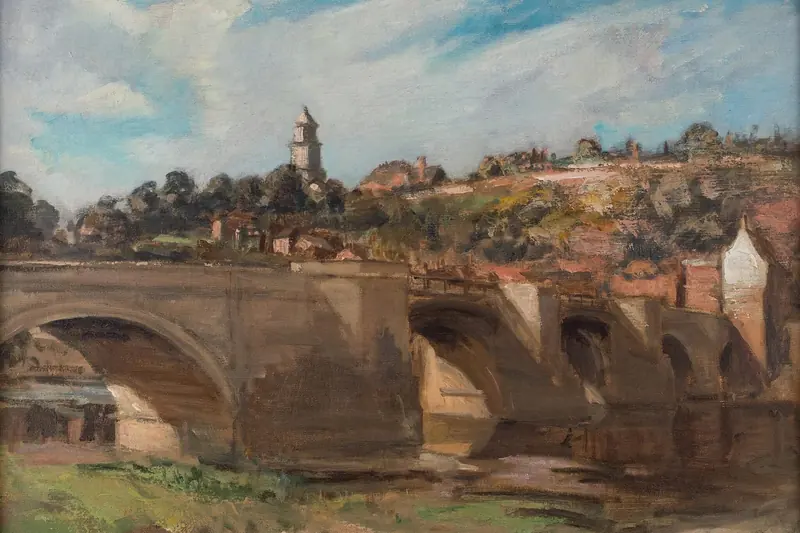 ProseThe Secret Garden, a week of sunshineFrances Hodgson Burnett, published 1911Mary gives the garden its name and enjoys the feeling of being hidden in it.easy454 characters
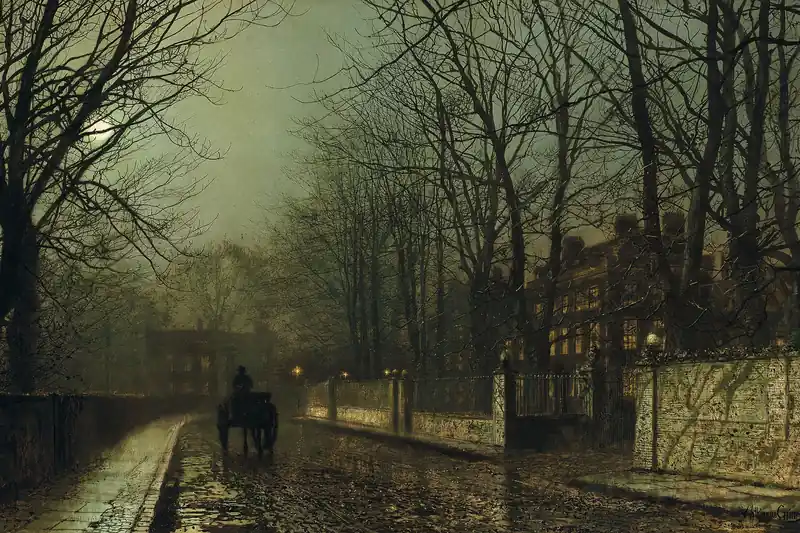 ProseLittle Women, the gray dawn of ChristmasLouisa May Alcott, published 1868Jo wakes early on Christmas morning and finds the gift her mother promised.easy363 characters
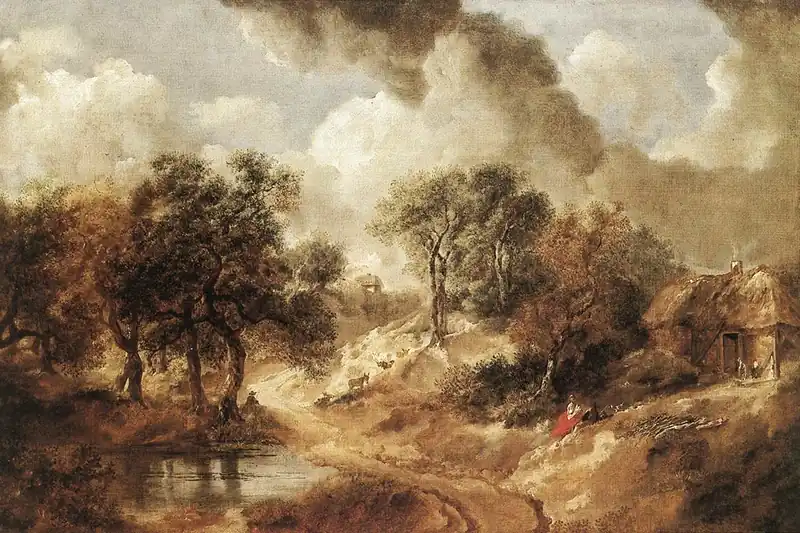 ProseEmma, the view from Donwell AbbeyJane Austen, published 1815A summer view of English fields and gardens from the grounds of Donwell Abbey.hard340 characters
Frances Hodgson Burnett published The Secret Garden in 1911, after it ran as a serial in an American magazine. She had a walled rose garden of her own at Great Maytham Hall in Kent, and that garden is usually named as the model. She wrote more than fifty books, and this one was not the most popular in her lifetime. Project Gutenberg carries the full text.
Where this text comes fromEverything in this description says the place is dead. The stems are leafless, the growth is thick and tangled, nothing is named as flowering, and a child looking at it would reasonably conclude there is nothing inside worth finding. That is the trick the chapter is playing: the reader is being handed the evidence for the opposite conclusion and left to reach it later, in spring. Nothing is stated. The whole effect is carried by which details are chosen and which are left out.
What you might not noticeThe whole passage contains not a single comma. Burnett writes four sentences of eighty-six words with nothing but full stops between them, which is the plainest punctuation of any prose text on this site. Source
What it trainsFour full stops and nothing else. No commas, no semicolons, no dashes, no apostrophes: across 468 characters the full stop is the only mark, which makes this the cleanest fingering anywhere in the English corpus here. What that removes in difficulty it puts back in stamina, because eighty-six words with no internal punctuation give the eye no landmarks and the hand no reason to pause. The one long word is rosebushes, ten letters written as a single unit rather than as two, which most people type with a space the first time.
From our blogHow to Learn Touch Typing Without Bad Habits
Public domain status: the author died in 1924, so copyright has expired. public domain, Project Gutenberg
More texts in this category
ProseLittle Women, the gray dawn of ChristmasLouisa May Alcott, published 1868Jo wakes early on Christmas morning and finds the gift her mother promised.easy363 characters
ProseEmma, the view from Donwell AbbeyJane Austen, published 1815A summer view of English fields and gardens from the grounds of Donwell Abbey.hard340 characters
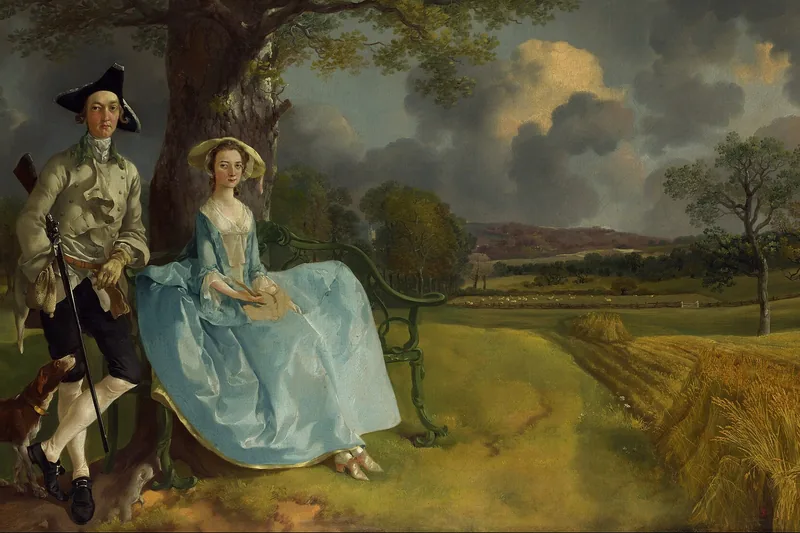 ProseEmma, the village of HighburyJane Austen, published 1815A short portrait of Highbury and of the place the Woodhouse family holds in it.medium428 characters
ProsePersuasion, the walk down to the sea at LymeJane Austen, published 1818The party from Uppercross settles at an inn in Lyme and goes straight down to the shore.easy260 characters
ProseEmma, the village of HighburyJane Austen, published 1815A short portrait of Highbury and of the place the Woodhouse family holds in it.medium428 characters
ProsePersuasion, the walk down to the sea at LymeJane Austen, published 1818The party from Uppercross settles at an inn in Lyme and goes straight down to the shore.easy260 characters
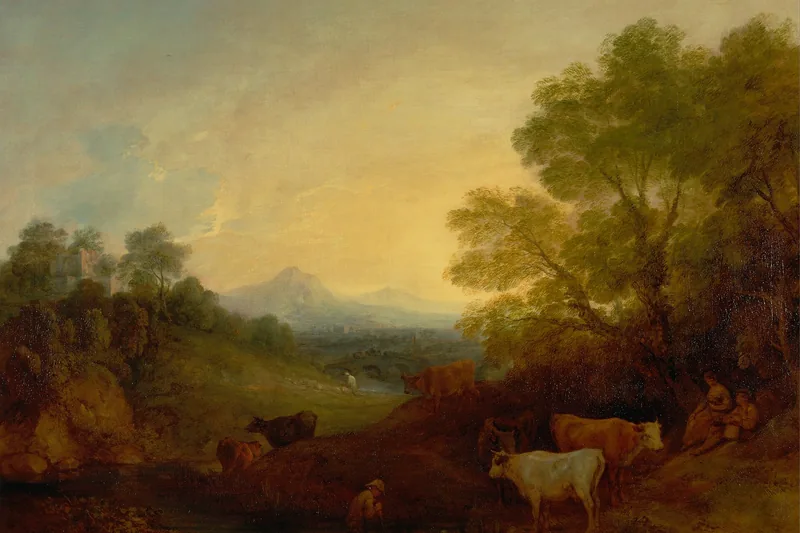 ProsePride and Prejudice, the park at PemberleyJane Austen, published 1813Elizabeth drives into the grounds of Pemberley and sees the wood and the rising ground.easy301 characters
ProseJane Eyre, morning at ThornfieldCharlotte Brontë, published 1847Jane wakes in her new room at Thornfield and finds the light and the furniture cheerful.easy434 characters
ProsePride and Prejudice, the park at PemberleyJane Austen, published 1813Elizabeth drives into the grounds of Pemberley and sees the wood and the rising ground.easy301 characters
ProseJane Eyre, morning at ThornfieldCharlotte Brontë, published 1847Jane wakes in her new room at Thornfield and finds the light and the furniture cheerful.easy434 characters