Cranford, whatever becomes of the gentlemen
You are typing on the on-screen keyboard. Tap the text to open it and begin.
Caps Lock is on. Every letter comes out capital, so the test counts it as a mistake.
Or simply start typing.
- Time so far
- 0
- Words per minute
- 0
- Accuracy
- 100%
Done. The text and your result
0 % of characters hit
Where you slip most often
Darker keys collected more mistakes in this run.
What slowed you down
The characters your finger missed most often.
Your recent results
Words per minute across your recent runs in this language.
What to type next
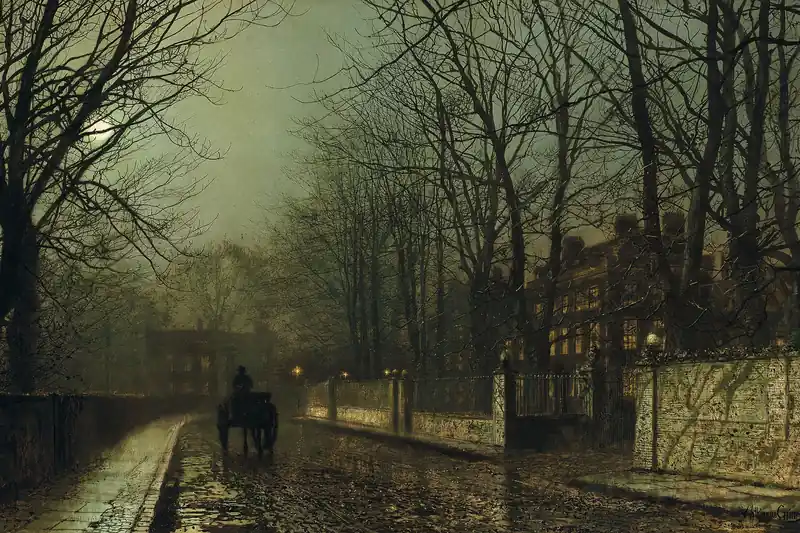 ProseLittle Women, the gray dawn of ChristmasLouisa May Alcott, published 1868Jo wakes early on Christmas morning and finds the gift her mother promised.easy363 characters
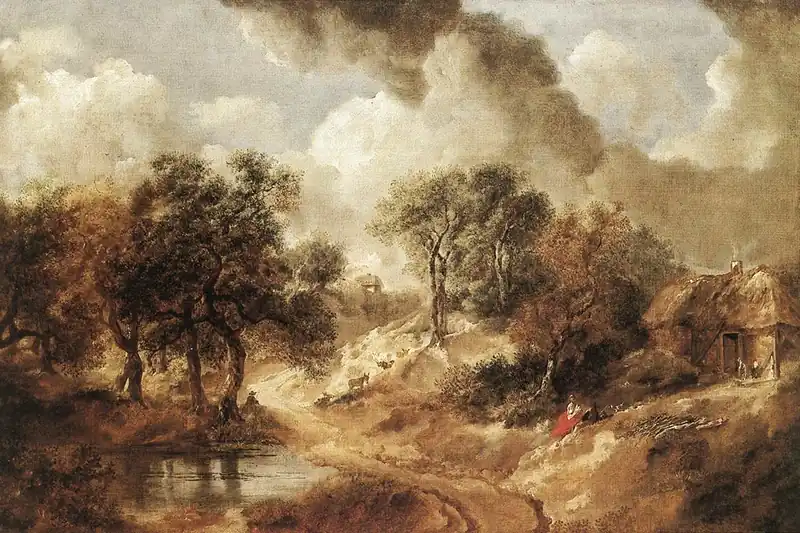 ProseEmma, the view from Donwell AbbeyJane Austen, published 1815A summer view of English fields and gardens from the grounds of Donwell Abbey.hard340 characters
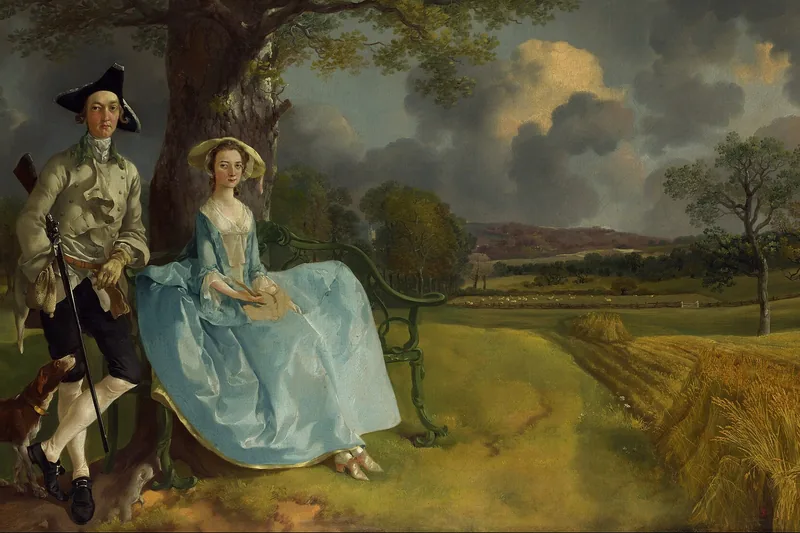 ProseEmma, the village of HighburyJane Austen, published 1815A short portrait of Highbury and of the place the Woodhouse family holds in it.medium428 characters
Cranford ran in Household Words, the magazine Charles Dickens edited, from 1851 to 1853. Gaskell based the town on Knutsford in Cheshire, where she grew up. It came out as a book in 1853. The chapters were written as separate sketches, which is why each reads on its own. Project Gutenberg carries the full text.
Where this text comes fromThe town is defined by who is missing from it. That is the joke of the opening and the premise of the whole book: Cranford is run by women, not because anyone decided so, but because the men have quietly failed to be there, and the narrator raises the question only to dismiss it as unanswerable. The chapters were written and published one at a time as separate sketches, so each begins by re-establishing the world for a reader who may have missed the last one.
What you might not noticeThe passage contains a rhetorical question that the narrator refuses to answer, asking what the gentlemen could possibly do if they were there. The book never does answer it. Source
What it trainsAt 215 characters this is one of the shortest prose passages here, and it carries a question mark, which almost nothing else on this shelf does. Three sentences average just over thirteen words, so full stops arrive quickly and the rhythm is conversational rather than literary. One semicolon and three commas are the only other punctuation. Five capitals, two inside sentences. Nothing here is long or unusual, which makes it a good passage for measuring your plain speed without any traps in the way.
More about this textWhy the Gentlemen Are Missing From Gaskell’s Cranford
Public domain status: published in 1853, more than 125 years ago. public domain, Project Gutenberg
More texts in this category
ProseLittle Women, the gray dawn of ChristmasLouisa May Alcott, published 1868Jo wakes early on Christmas morning and finds the gift her mother promised.easy363 characters
ProseEmma, the view from Donwell AbbeyJane Austen, published 1815A summer view of English fields and gardens from the grounds of Donwell Abbey.hard340 characters
ProseEmma, the village of HighburyJane Austen, published 1815A short portrait of Highbury and of the place the Woodhouse family holds in it.medium428 characters
ProsePersuasion, the walk down to the sea at LymeJane Austen, published 1818The party from Uppercross settles at an inn in Lyme and goes straight down to the shore.easy260 characters
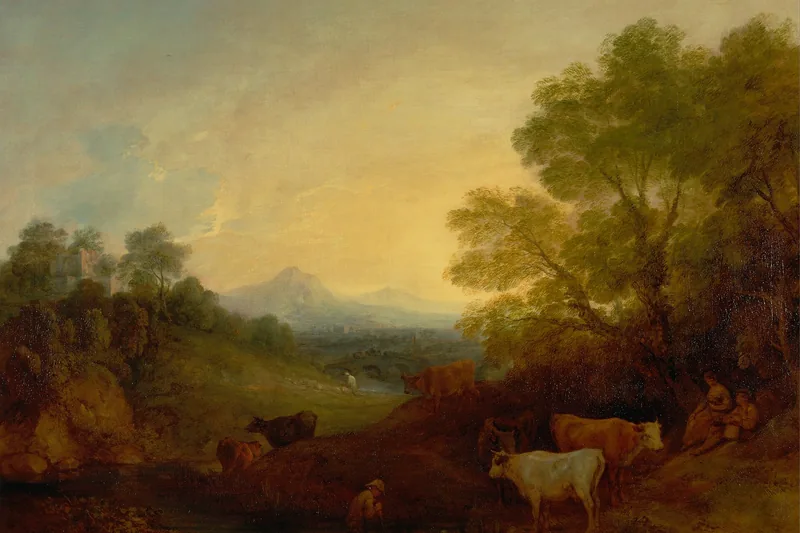 ProsePride and Prejudice, the park at PemberleyJane Austen, published 1813Elizabeth drives into the grounds of Pemberley and sees the wood and the rising ground.easy301 characters
ProseJane Eyre, morning at ThornfieldCharlotte Brontë, published 1847Jane wakes in her new room at Thornfield and finds the light and the furniture cheerful.easy434 characters
ProsePride and Prejudice, the park at PemberleyJane Austen, published 1813Elizabeth drives into the grounds of Pemberley and sees the wood and the rising ground.easy301 characters
ProseJane Eyre, morning at ThornfieldCharlotte Brontë, published 1847Jane wakes in her new room at Thornfield and finds the light and the furniture cheerful.easy434 characters