Silas Marner, when the spinning wheels hummed
You are typing on the on-screen keyboard. Tap the text to open it and begin.
Caps Lock is on. Every letter comes out capital, so the test counts it as a mistake.
Or simply start typing.
- Time so far
- 0
- Words per minute
- 0
- Accuracy
- 100%
Done. The text and your result
0 % of characters hit
Where you slip most often
Darker keys collected more mistakes in this run.
What slowed you down
The characters your finger missed most often.
Your recent results
Words per minute across your recent runs in this language.
What to type next
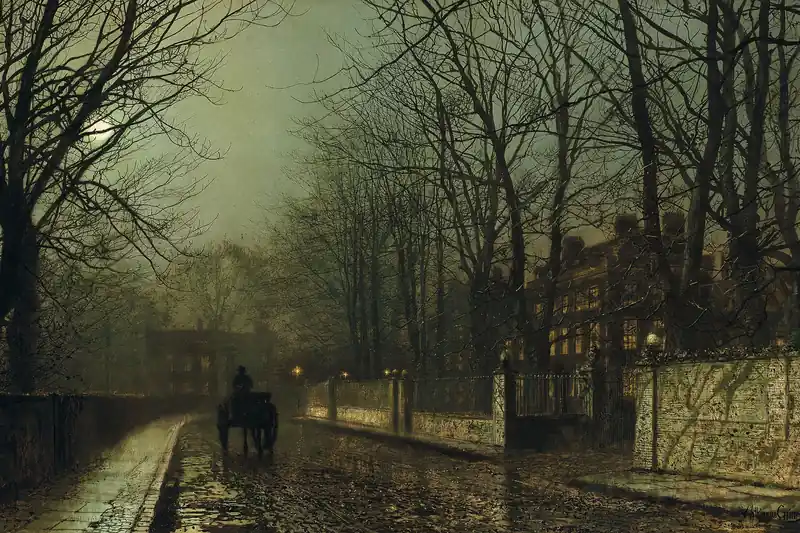 ProseLittle Women, the gray dawn of ChristmasLouisa May Alcott, published 1868Jo wakes early on Christmas morning and finds the gift her mother promised.easy363 characters
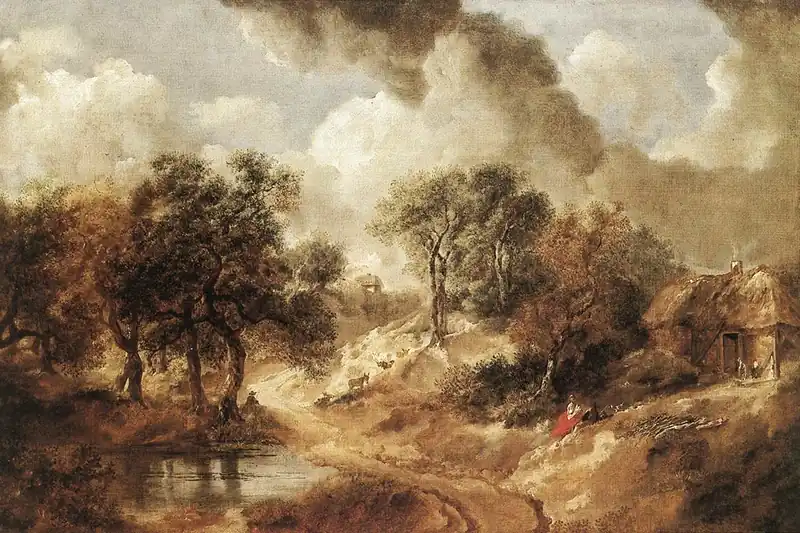 ProseEmma, the view from Donwell AbbeyJane Austen, published 1815A summer view of English fields and gardens from the grounds of Donwell Abbey.hard340 characters
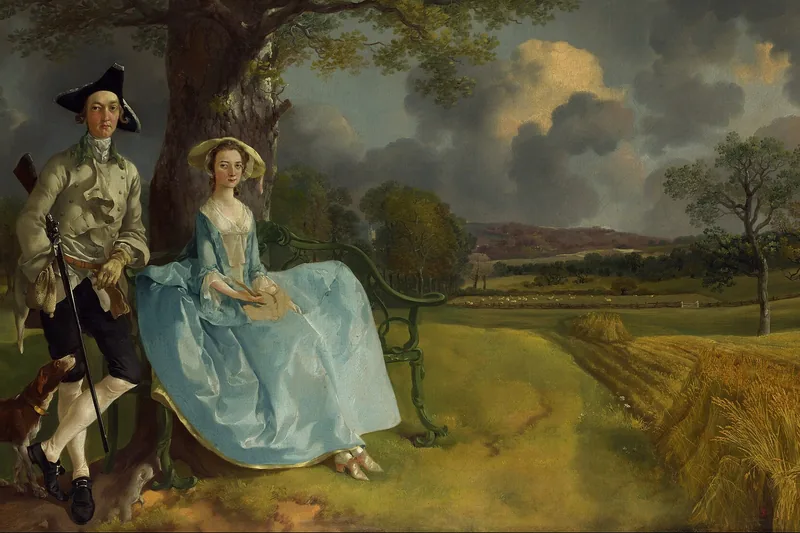 ProseEmma, the village of HighburyJane Austen, published 1815A short portrait of Highbury and of the place the Woodhouse family holds in it.medium428 characters
George Eliot published Silas Marner in 1861 and it is the shortest of her novels. Her real name was Mary Ann Evans and she used a pen name for her fiction. She broke off work on Romola to write the book, because the story of the weaver arrived unsought. Project Gutenberg holds the complete text.
Where this text comes fromThe novel opens by placing itself in a past that is deliberately not dated. In the days when the spinning-wheels hummed is a formula rather than a fact: it tells you the story is set in a time that has already passed, without saying when, so nothing in the book can be checked against a calendar. Eliot uses the whole first sentence to build that distance, working outward from a household object to great ladies and then to the men who carried the wool. It is one sentence and it does the work of a chapter.
What you might not noticeThe sentence runs to sixty-four words and contains a single capital letter, the one that starts it. Nothing else in the passage is capitalized at all, which is unusual for an opening paragraph of the period. Source
What it trainsOne sentence of sixty-four words carries seven commas, four hyphens and two long dashes across 389 characters, with no full stop until the end. Both kinds of short horizontal mark turn up within a few words of each other and reach the screen as one and the same hyphen, so that key is struck six times inside a single sentence. Three of the hyphenated words are compounds you would write as two today: spinning-wheels at fifteen characters, thread-lace and country-folk. One word then runs straight into a long dash with no space at all, which is the shape that catches people. One capital letter in the entire passage, so the left little finger has nothing to do.
More about this textThe Weavers Who Made the Shepherd’s Dog Bark
Public domain status: published in 1861, more than 125 years ago. public domain, Project Gutenberg
More texts in this category
ProseLittle Women, the gray dawn of ChristmasLouisa May Alcott, published 1868Jo wakes early on Christmas morning and finds the gift her mother promised.easy363 characters
ProseEmma, the view from Donwell AbbeyJane Austen, published 1815A summer view of English fields and gardens from the grounds of Donwell Abbey.hard340 characters
ProseEmma, the village of HighburyJane Austen, published 1815A short portrait of Highbury and of the place the Woodhouse family holds in it.medium428 characters
ProsePersuasion, the walk down to the sea at LymeJane Austen, published 1818The party from Uppercross settles at an inn in Lyme and goes straight down to the shore.easy260 characters
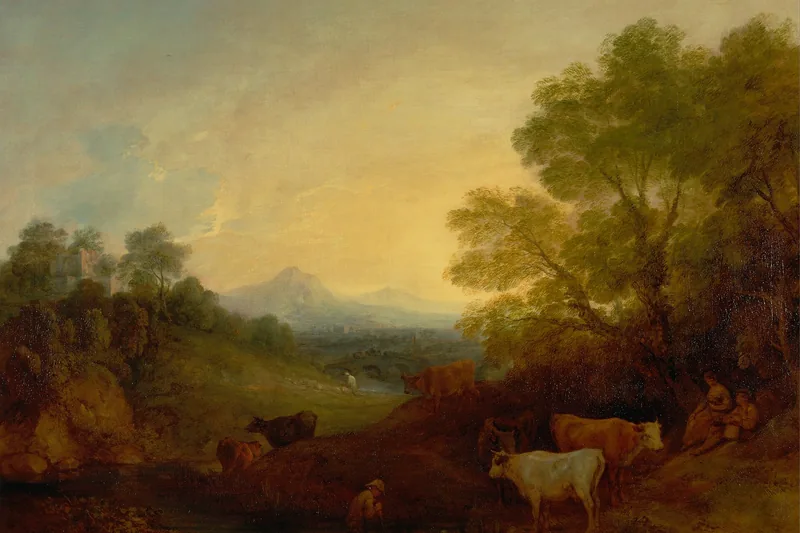 ProsePride and Prejudice, the park at PemberleyJane Austen, published 1813Elizabeth drives into the grounds of Pemberley and sees the wood and the rising ground.easy301 characters
ProseJane Eyre, morning at ThornfieldCharlotte Brontë, published 1847Jane wakes in her new room at Thornfield and finds the light and the furniture cheerful.easy434 characters
ProsePride and Prejudice, the park at PemberleyJane Austen, published 1813Elizabeth drives into the grounds of Pemberley and sees the wood and the rising ground.easy301 characters
ProseJane Eyre, morning at ThornfieldCharlotte Brontë, published 1847Jane wakes in her new room at Thornfield and finds the light and the furniture cheerful.easy434 characters